
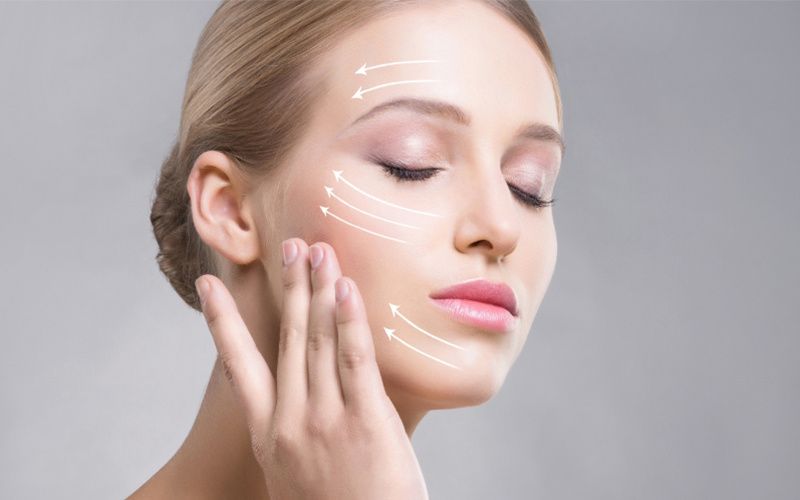
Facial skin naturally changes with age, lifestyle, and environmental exposure. Some people notice reduced firmness, less defined facial contours, or mild sagging around the cheeks, jawline, and neck. These changes can influence how the face looks and feels, encouraging individuals to explore options that support a firmer appearance. Skin Tightening & Contouring in Dubai is an option people may consider when looking to improve facial definition while maintaining their natural features.
Why Facial Skin May Lose Its Firmness
Facial skin is affected by several natural and environmental influences. As people age, skin may gradually become less elastic, and the underlying structures that support facial contours can change. Other influences include:
- Sun exposure: Ultraviolet radiation can contribute to changes in skin texture and elasticity.
- Lifestyle habits: Smoking, insufficient sleep, and poor nutritional choices may affect overall skin health.
- Natural facial changes: Variations in facial fullness can influence how defined the cheeks and jawline appear.
- Genetics: Inherited characteristics can influence skin thickness, elasticity, and facial structure.
Who May Consider Facial Skin Tightening?
Facial skin tightening and contouring may appeal to adults who notice mild looseness or a reduction in facial definition. Potential candidates may include people who:
- Notice mild skin laxity around the lower face.
- Prefer a more defined-looking jawline.
- Want to address changes in facial firmness.
- Have realistic expectations about aesthetic improvement.
- Seek options suited to their skin condition and facial characteristics.
Is It Suitable for Different Skin Types?
Skin type is an important consideration when evaluating facial aesthetic options. Dry, oily, combination, and sensitive skin can have different needs, particularly when irritation, redness, or uneven texture is present. Skin tone and pigmentation tendencies may also influence the suitability of certain technologies.
People with sensitive skin should pay particular attention to existing irritation and their history of reactions to skincare products. Those experiencing active inflammation, open wounds, or unexplained skin changes may need a professional assessment before considering an aesthetic treatment.
Facial Areas Commonly Associated With Contouring
Different facial areas contribute to the overall appearance of balance and definition. The most noticeable concern varies according to facial structure, age, and personal preferences. Common areas of interest include:
- Cheeks: Changes in firmness may affect the appearance of the midface.
- Jawline: Reduced definition can make the transition between the face and neck appear softer.
- Chin: The relationship between the chin and surrounding facial features influences overall proportions.
- Lower face: Skin laxity in this area may affect the appearance of facial contours.
- Neck: Changes in firmness can influence the visual transition from the jawline to the neck.
The Importance of Natural Facial Proportions
An attractive facial appearance does not depend on having sharply defined contours. Natural differences in cheek fullness, chin shape, jawline structure, and facial symmetry contribute to individual appearance.
Contouring should be considered in relation to these features. An approach that suits one face may not be appropriate for another, particularly when facial proportions, skin elasticity, and underlying structure differ. Maintaining a balanced appearance means considering the face as a whole instead of focusing exclusively on a single feature.
Skin Tightening Versus Facial Contouring
Although these terms are often used together, they describe different aesthetic goals. Skin tightening focuses on the appearance of firmness, whereas facial contouring emphasizes the definition and visual proportions of facial features.
The distinction matters because loose skin and facial fullness are not the same concern. Understanding the difference can help individuals communicate their priorities clearly and avoid expecting one approach to address every aspect of facial appearance.
Factors to Consider Before Making a Decision
Before choosing a facial aesthetic option, it is useful to evaluate personal needs and general skin health. Important considerations include:
- Current skin sensitivity and any existing skin conditions.
- The degree of visible laxity or loss of definition.
- Personal preferences regarding facial appearance.
- Relevant medical history and previous skin reactions.
- Whether expectations are realistic and appropriate for the chosen approach.
Maintaining Healthy-Looking Facial Skin
Everyday skincare habits can support the general condition and appearance of facial skin. Although skincare cannot address every structural change associated with ageing, consistent care helps maintain skin comfort and protect its surface.
Helpful habits include using broad-spectrum sunscreen, choosing gentle cleansing products, moisturizing regularly, and avoiding unnecessary irritation. Adequate sleep, balanced nutrition, hydration, and avoiding smoking can also contribute to overall skin health.
Final Thoughts
Skin tightening and contouring may be suitable for people who want to address mild facial laxity or improve the appearance of definition. However, suitability depends on skin condition, facial anatomy, personal goals, and the nature of the concern. A balanced perspective is important when considering any aesthetic option. Natural facial features, realistic expectations, and individual skin needs should guide the decision. Seeking advice from a qualified healthcare professional can help clarify which options are appropriate and whether further assessment is necessary.