
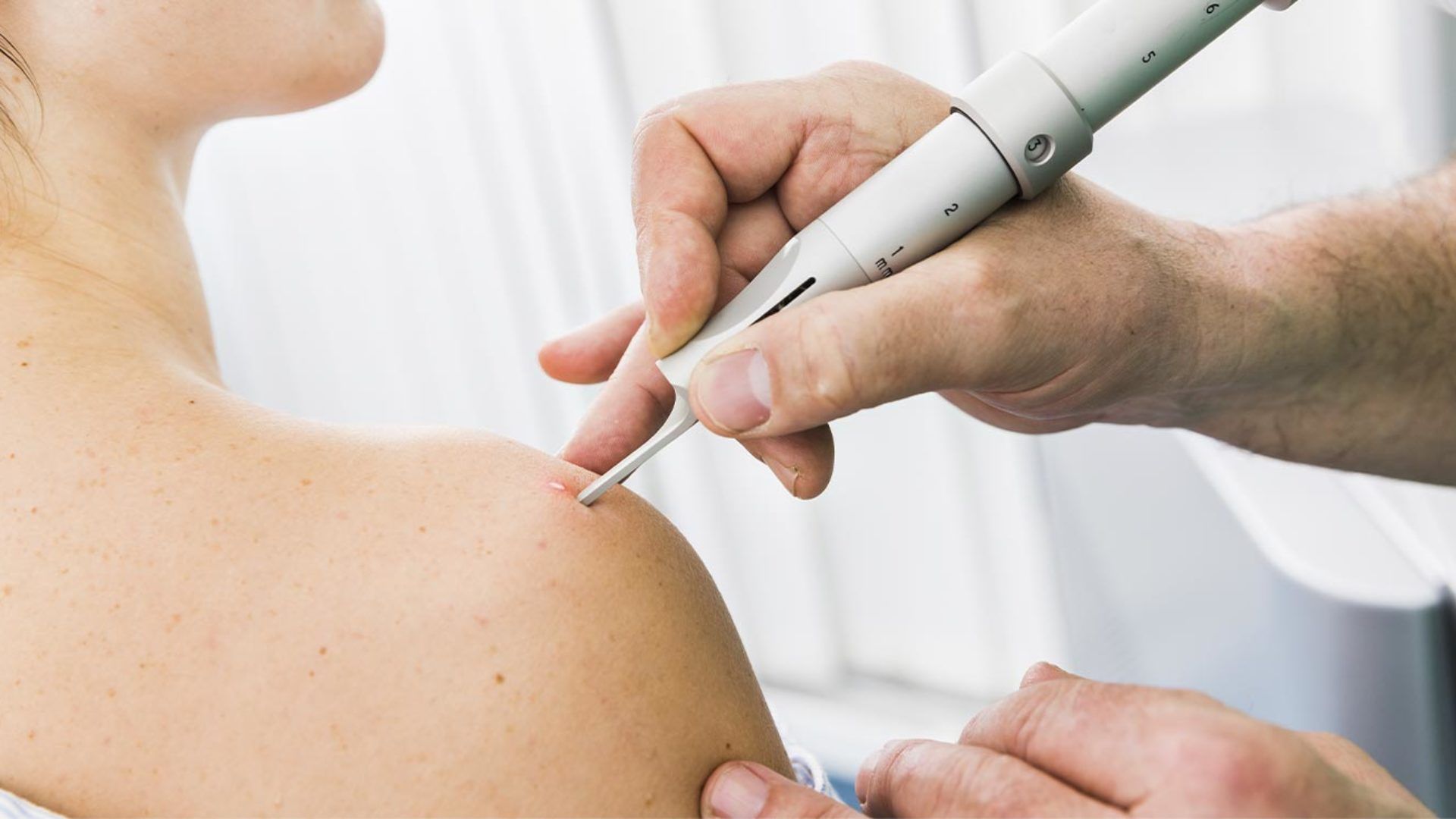
Skin tags are small, soft growths that commonly appear on areas where the skin folds or experiences friction, such as the neck, underarms, eyelids, and groin. They are usually harmless, although they can become irritating when rubbed by clothing or jewellery. People with different skin types may develop skin tags, and their presence does not necessarily indicate an underlying health concern. For individuals exploring Skin Tag Removal in Dubai, understanding how their skin type influences treatment suitability is an important part of making an informed decision.
Does Skin Type Affect Skin Tag Removal?
Skin type can influence how the skin responds to irritation, minor injuries, and cosmetic treatments. However, it does not automatically determine whether skin tag removal is suitable.
A qualified healthcare professional can assess these characteristics before recommending an appropriate approach. This personalised consideration helps address individual concerns while reducing the likelihood of unnecessary skin irritation or visible marks.
Skin Tag Removal for Normal Skin
Normal skin generally has a balanced texture and is not excessively oily or dry. People with this skin type may have fewer concerns related to sensitivity, although individual reactions can still vary.
When considering skin tag removal, normal skin should not be assumed to be free from complications. The growth's location, size, appearance, and surrounding skin condition remain important considerations. A proper assessment also helps distinguish ordinary skin tags from other growths that may require a different form of medical attention.
Is Skin Tag Removal Suitable for Oily Skin?
Oily skin produces more sebum than other skin types and may be associated with enlarged pores, acne, or a shiny appearance. People with oily skin should pay attention to the following considerations:
- Existing blemishes: Inflamed spots near a skin tag may require individual assessment.
- Skin cleanliness: Gentle cleansing helps maintain the skin without causing unnecessary irritation.
- Growth identification: New or unusual growths should not automatically be assumed to be skin tags.
Considerations for Dry Skin
Dry skin may feel tight, rough, flaky, or uncomfortable, particularly when exposed to harsh skincare products or environmental conditions.
For individuals with dry skin, the condition of the surrounding area should be considered before addressing a skin tag. Cracked, inflamed, or irritated skin may need attention before any elective treatment is considered. Fragrance-free moisturisers and mild cleansing products can help support everyday skin comfort.
Can Sensitive Skin Tolerate Skin Tag Removal?
Sensitive skin may react more easily to friction, topical products, adhesives, or other external triggers. Important factors include:
- Known sensitivities: Previous reactions to skincare ingredients or medical products should be discussed.
- Existing irritation: Inflamed or damaged skin may need assessment before treatment is considered.
- Aftercare compatibility: Any recommended skincare should suit the individual's sensitivity level.
Skin Tag Removal for Darker Skin Tones
Darker skin tones can be more prone to noticeable pigmentation changes following inflammation or skin injury. These changes may appear as darker patches, although some individuals can also develop lighter areas or raised scars.
This does not mean that skin tag removal is unsuitable for darker skin. Rather, the potential for pigmentation changes should be considered when choosing an appropriate option. The location of the growth, personal scarring history, and existing skin conditions can all influence the assessment.
What About Fair and Combination Skin?
Fair skin can experience redness, irritation, and visible marks after skin injury. Some individuals may also have a tendency to develop freckles or particular types of scars. Therefore, lighter skin does not eliminate the need for careful assessment.
Combination skin, meanwhile, has areas with different characteristics. For both skin types, the most relevant considerations include the condition of the surrounding skin, the location of the growth, and any history of unusual healing or irritation.
When Should a Skin Tag Be Professionally Assessed?
Although typical skin tags are harmless, not every raised skin growth is a skin tag. Certain lesions may resemble them while requiring a different assessment. Consider professional evaluation if a growth:
- Changes noticeably in size, colour, or shape.
- Bleeds without an obvious cause or develops an open sore.
- Becomes persistently painful, swollen, or irritated.
- Looks different from other growths on the body.
How Can Different Skin Types Be Protected?
Maintaining healthy skin is important regardless of whether someone has oily, dry, sensitive, fair, or darker skin. Gentle daily care can help preserve the skin barrier and reduce avoidable irritation. Useful skincare habits include:
- Choosing cleansers suited to individual skin needs.
- Avoiding aggressive scrubbing around raised growths.
- Using moisturisers when dryness or tightness occurs.
- Applying sun protection to exposed skin.
- Avoiding unverified products marketed for removing skin tags.
- Seeking professional guidance before treating an unfamiliar growth.
Final Thoughts
Skin tag removal can be suitable for people with a wide range of skin types and tones. Oily, dry, sensitive, normal, fair, darker, and combination skin each have individual characteristics, but none automatically rules out appropriate removal. The most important considerations are the correct identification of the growth, the condition of the surrounding skin, and personal factors such as sensitivity, pigmentation changes, and scarring tendencies.