
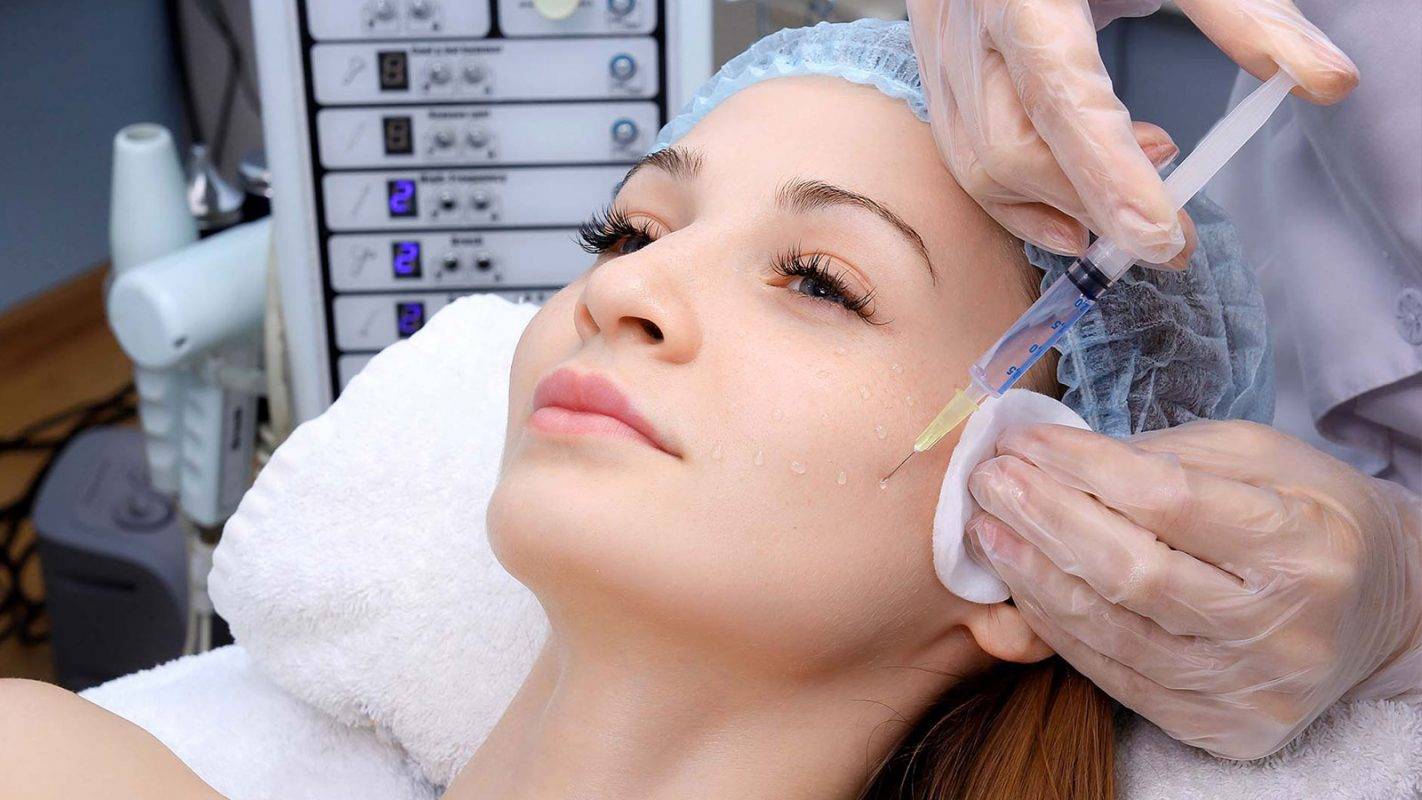
Rough facial skin can make the complexion appear uneven, dull, or less supple than desired. Factors such as dehydration, environmental exposure, natural ageing, and everyday skincare habits may contribute to changes in the skin's texture. Many people explore hydration-focused aesthetic treatments to support a smoother-looking complexion. A Skin Booster in Dubai is one option that attracts attention because skin boosters are associated with improving skin hydration and supporting a more refreshed appearance.
What Causes Rough Facial Skin?
Facial roughness can develop for several reasons, and identifying the contributing factors helps people understand their skincare needs. Skin may feel uneven when its surface lacks moisture, becomes irritated, or experiences changes associated with ageing.
Other possible contributors include harsh cleansing products, overuse of exfoliating ingredients, and skincare routines that do not adequately support the skin barrier. In some cases, persistent roughness may be associated with conditions such as eczema or other forms of skin irritation.
What Is a Skin Booster?
A skin booster is an aesthetic treatment designed primarily to support skin hydration and improve the appearance of skin quality. Many formulations contain hyaluronic acid, a substance known for its ability to attract and retain water. Depending on the formulation, other ingredients may also be included to support specific skincare goals.
Unlike treatments intended mainly to change facial contours, skin boosters generally focus on skin characteristics such as hydration, softness, and suppleness. Their purpose is to complement the skin's overall appearance rather than replace a comprehensive skincare routine.
Can Skin Boosters Help With Dehydrated Skin?
Dehydration is a common contributor to facial roughness. When the skin lacks sufficient moisture, it may feel tight, look less luminous, and display fine surface lines more noticeably. Hydration-focused treatments may be relevant when dryness contributes to these concerns.
Skin boosters containing hyaluronic acid are intended to support moisture within the skin. Better hydration may help the complexion appear more supple and make the skin feel less dry. Nevertheless, the extent of any improvement depends on the individual's skin condition, the formulation used, and other contributing factors.
How Is Skin Texture Related to Hydration?
Hydration and texture are closely connected, although they are not identical. Well-hydrated skin often feels more flexible and comfortable, while dehydrated skin may develop a coarse or flaky surface.
- Using a gentle cleanser that does not leave the face feeling tight.
- Applying a moisturiser suited to the skin type.
- Protecting the face from excessive sun exposure with broad-spectrum sunscreen.
These habits help maintain the skin barrier and reduce avoidable moisture loss. While hydration can contribute to a softer appearance, it may not resolve roughness caused by scarring, significant sun damage, or certain dermatological conditions.
Is Skin Booster Suitable for Every Skin Type?
Skin boosters are not automatically suitable for everyone experiencing rough facial skin. Individual skin characteristics, sensitivities, existing conditions, and personal treatment goals all influence whether an aesthetic approach is appropriate.
People with dry skin may be interested in hydration support, while those with oily skin can also experience dehydration. Combination skin may have areas that feel rough alongside regions that appear oily. However, these differences do not mean that every skin type requires the same treatment.
What Other Factors Affect Facial Roughness?
Rough texture may persist even when hydration is adequate. Sun exposure, accumulated dead skin cells, acne-related scarring, and certain skin conditions can all contribute to an uneven surface. These concerns may require approaches different from those used for dehydration.
Skincare habits can also influence how the face feels. Frequent exfoliation, strong active ingredients, fragranced products, and inconsistent moisturising may aggravate sensitivity in some individuals. Recognising these influences can help prevent unnecessary irritation.
Can Skin Boosters Complement a Skincare Routine?
Skin boosters may be considered alongside a suitable daily skincare routine, provided the treatment is appropriate for the individual. Everyday care remains essential because the skin is continuously exposed to environmental conditions that can affect moisture and comfort.
A balanced routine generally focuses on gentle cleansing, adequate moisturising, sun protection, and avoiding products that trigger irritation.
What Should You Consider Before Choosing a Skin Booster?
Before choosing an aesthetic treatment for rough facial skin, it is helpful to consider the nature of the concern rather than focusing exclusively on the treatment itself. A suitable assessment can help distinguish dehydration from texture changes associated with other causes.
- Whether the skin feels tight, flaky, irritated, or persistently uneven.
- Whether existing skincare products contribute to sensitivity or dryness.
- Whether there are underlying skin conditions that need medical attention.
Are Skin Boosters Enough to Address Rough Skin?
Skin boosters may be relevant when inadequate hydration contributes to roughness, but they are not a universal solution. Their intended role is different from treatments designed to address acne scars, pronounced pigmentation, or other specific skin conditions.
A person whose facial texture is mainly affected by dryness may have different needs from someone experiencing persistent bumps or substantial surface irregularities.
Final Thoughts
Skin boosters can be a consideration for people who want to address rough facial skin associated with dehydration and reduced suppleness. Their hydration-focused purpose may support a softer-looking, more comfortable complexion, but their suitability depends on the individual's skin characteristics and the reasons behind the roughness. It is important to recognise that not all texture concerns are caused by a lack of moisture. Scarring, irritation, sun damage, and underlying skin conditions may require different forms of care.