
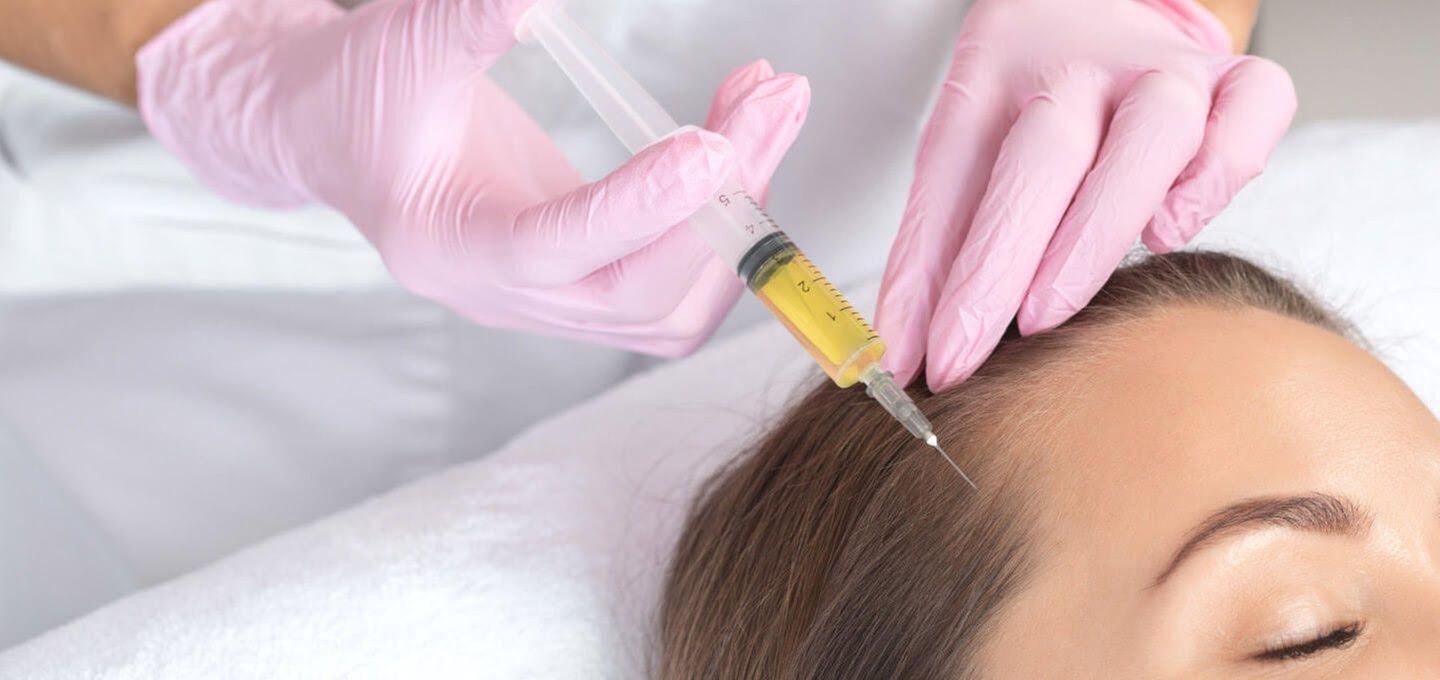
Fuller-looking hair is often associated with confidence, personal style, and a healthy overall appearance. However, thinning strands, a widening part, and reduced hair density can make achieving this look challenging. Many people explore different hair care options to understand what may suit their individual needs. Among these options, PRP Hair Treatment in Dubai is a topic of interest for individuals looking into approaches associated with hair thinning and scalp health.
Common Reasons Hair May Appear Thinner
Several factors can influence the appearance of hair density. Recognizing these factors is important because thinning does not have the same underlying cause for everyone. Common contributing factors include:
- Genetics: Family history can influence natural hair density and the tendency toward pattern hair loss.
- Hormonal changes: Shifts in hormone levels may affect hair growth patterns.
- Nutritional deficiencies: Inadequate intake of essential nutrients can contribute to hair-related concerns.
- Stress: Physical or emotional stress may be associated with noticeable shedding.
- Hair care habits: Frequent heat styling, tight hairstyles, and harsh chemical treatments may contribute to breakage.
Is PRP Hair Treatment an Option for Hair Thinning?
PRP hair treatment is discussed as an option for individuals concerned about thinning hair and reduced scalp coverage. It may be considered by people who want to explore alternatives to relying exclusively on conventional hair care products.
Suitability depends on several personal factors, including the pattern of thinning, the condition of the scalp, and the underlying reason for hair loss. Not every individual experiencing reduced density will have the same needs or be an appropriate candidate.
The Connection Between Scalp Health and Hair Appearance
Scalp health is an important part of maintaining an appropriate hair care routine. A balanced approach to scalp care may include:
- Using gentle cleansing products suited to the scalp.
- Avoiding excessive heat and aggressive brushing.
- Paying attention to persistent itching, redness, or scaling.
- Maintaining a balanced diet with adequate essential nutrients.
How Hair Texture Influences Perceived Volume
Hair texture plays a significant role in how full a hairstyle appears. Fine strands may lie close to the scalp, while naturally coarse or curly hair can create the impression of greater volume. Hair density and individual strand thickness are separate characteristics, and both influence the overall appearance.
People with fine hair may benefit from lightweight conditioning products that avoid excessive buildup. Those with textured hair may prioritize moisture and techniques that help preserve their natural shape.
Distinguishing Hair Shedding From Hair Thinning
Hair shedding and hair thinning are related but different concerns. Shedding involves the release of individual strands, whereas thinning generally describes a reduction in visible coverage or density.
Some shedding is a normal part of the hair growth cycle. However, persistent or unusually heavy shedding, visible scalp areas, and a progressively widening part may deserve further attention. The distinction matters because different conditions can produce similar visible changes.
Lifestyle Habits That Support Hair Care
Everyday habits contribute to general hair and scalp health. Although lifestyle adjustments cannot guarantee increased density, they may help reduce avoidable damage and support overall well-being. Useful habits include:
- Eating a varied diet that provides adequate protein, vitamins, and minerals.
- Managing stress through sustainable daily routines.
- Limiting excessive heat styling and chemical processing.
- Choosing hairstyles that minimize pulling on the roots.
- Following a consistent cleansing and conditioning routine.
Setting Realistic Expectations for Hair Enhancement
Exploring hair enhancement options involves understanding individual limitations and priorities. A person experiencing mild thinning may have different concerns from someone with extensive hair loss or longstanding changes in density.
It is helpful to consider whether the primary concern involves shedding, a receding hairline, fine strands, or visible scalp areas. These distinctions can influence which approaches deserve discussion with a qualified professional. No single option is suitable for everyone, and claims of guaranteed fullness should be approached cautiously.
Final Thoughts
PRP hair treatment may be worth exploring for individuals interested in addressing certain forms of hair thinning and improving their understanding of hair enhancement options. However, its suitability depends on the cause of hair loss, individual scalp conditions, and personal circumstances. Fuller-looking hair is influenced by several factors, including genetics, strand thickness, hair care habits, and overall health. Recognizing these influences can help people develop realistic expectations and make informed choices.