
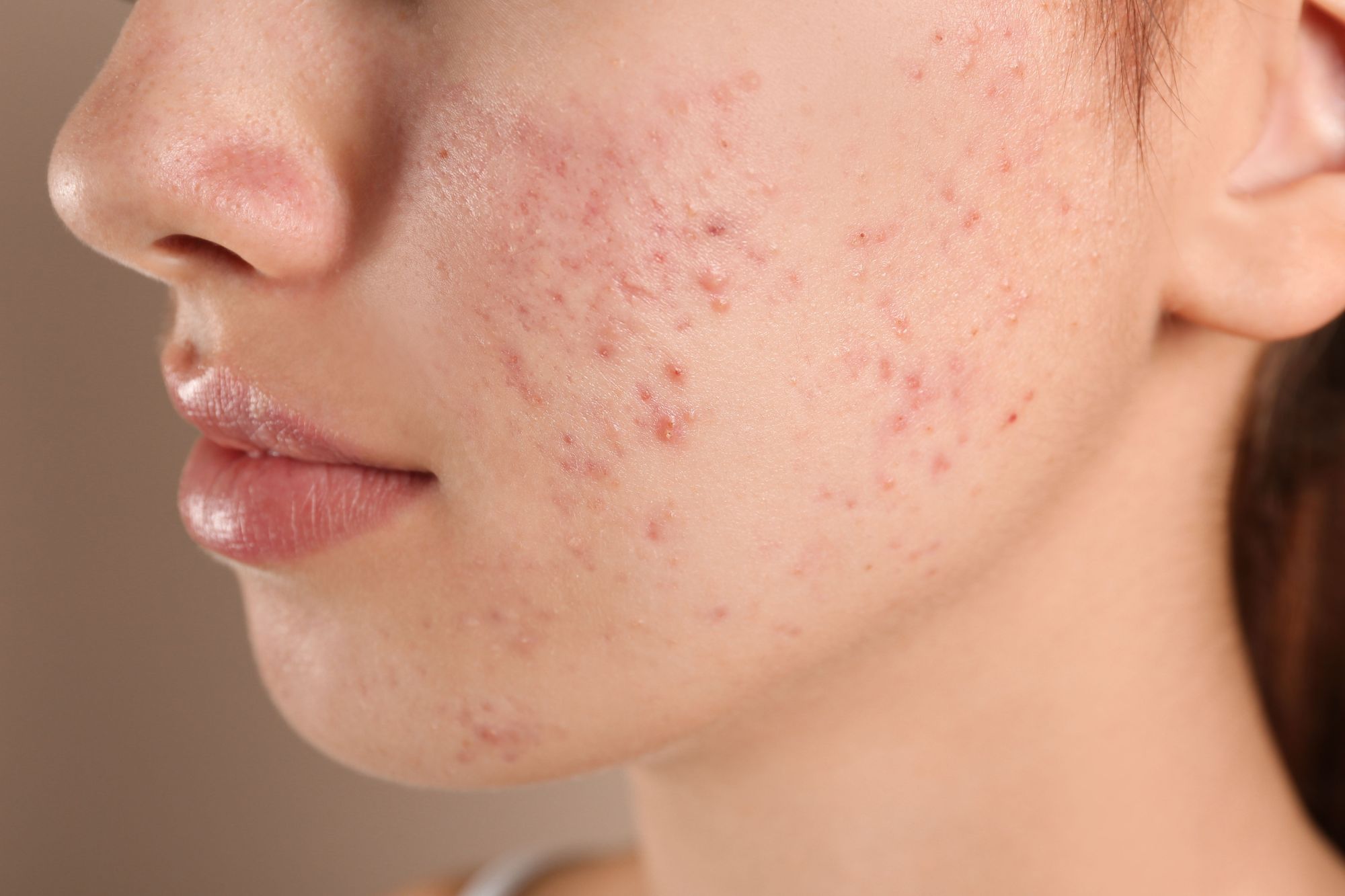
Stubborn pimples can be frustrating, particularly when they appear repeatedly or remain noticeable despite everyday skincare habits. For people dealing with persistent breakouts, Pimples Treatment in Dubai may be considered as part of a broader approach to maintaining clearer-looking and healthier skin. However, managing stubborn pimples involves more than focusing on individual blemishes. Skin type, breakout patterns, daily habits, product choices, and personal sensitivities can all influence how easily pimples are managed. Understanding these factors can help people make more informed choices about suitable skincare and treatment options.
What Makes Pimples Stubborn?
Not every pimple behaves in the same way. Some blemishes are occasional and relatively easy to manage, while others may repeatedly develop in similar areas. Stubborn pimples can include recurring inflammatory blemishes, congested pores, or breakouts that seem resistant to ordinary skincare.
- Excessive use of harsh skincare products
- Frequently touching or picking the face
- Heavy or pore-clogging cosmetic products
- Inconsistent cleansing habits
- Stress and lifestyle changes
Can Pimples Treatment Help With Persistent Breakouts?
Pimples treatment can be helpful for people who experience recurring or stubborn blemishes, particularly when their skincare needs are not being addressed effectively by basic routines. Different approaches may be considered depending on whether the primary concern involves occasional pimples, frequent breakouts, clogged pores, or inflammation.
A suitable approach generally focuses on improving overall skin management rather than simply addressing visible spots. This can include professional guidance about appropriate skincare ingredients, acne-friendly products, and habits that support the skin barrier.
Which Skin Concerns Can Be Considered?
Pimples treatment may be considered for different types of acne-related concerns. Understanding the specific issue can make it easier to identify appropriate care without unnecessarily overwhelming the skin.
- Repeated pimples around the forehead, cheeks, chin, or jawline
- Blackheads and whiteheads associated with clogged pores
- Red or irritated-looking blemishes
- Occasional breakouts that become frequent
- Acne-prone skin that reacts easily to certain products
- Marks or uneven-looking texture associated with previous breakouts
How Does Skincare Affect Stubborn Pimples?
Daily skincare can play an important role in managing acne-prone skin. A routine that is too complicated may introduce unnecessary irritation, while an overly minimal routine may fail to address individual concerns. Balance is therefore important.
Gentle cleansing can help remove accumulated oil, sweat, makeup, and environmental debris without excessively drying the skin. Moisturizing can also be useful, because acne-prone skin still needs appropriate hydration. Choosing non-comedogenic products may be preferable for individuals who are prone to blocked pores.
What Habits Can Support Acne-Prone Skin?
Lifestyle and everyday habits cannot guarantee freedom from pimples, but they can complement a thoughtful skincare routine. Small adjustments may reduce unnecessary irritation and make skin management more consistent.
- Keeping hands away from active blemishes
- Cleaning items that regularly touch the face, such as phones
- Removing makeup before sleeping
- Washing pillowcases regularly
- Avoiding frequent product switching
- Selecting skincare according to individual skin needs
Picking or squeezing pimples can be particularly tempting when a blemish remains visible. However, manipulating spots can increase irritation and may contribute to lingering discoloration or scarring.
When Should Persistent Pimples Receive Extra Attention?
Occasional pimples are common, but persistent or severe acne deserves greater consideration. Painful blemishes, deep nodules, widespread inflammation, or acne that repeatedly affects the same areas may require professional evaluation.
People should also seek appropriate medical advice if pimples are leaving noticeable scars, causing significant discomfort, or affecting confidence and everyday wellbeing. A dermatology professional can consider the person's skin condition, medical history, existing products, and other relevant factors before discussing suitable options.
Final Thoughts
Pimples treatment can be a useful consideration for people struggling with stubborn or recurring breakouts, but effective acne management is not necessarily about using the strongest available option. Understanding personal triggers, maintaining gentle skincare habits, choosing suitable products, and avoiding behaviors that irritate blemishes can all contribute to better skin management.