
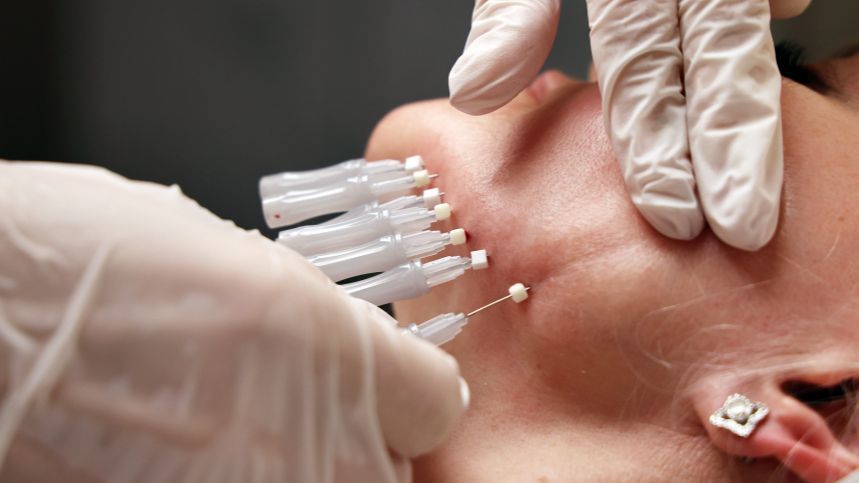
Skin smoothness is an important aspect of a healthy, refreshed appearance. Factors such as natural aging, reduced skin elasticity, and changes in skin texture can make the surface appear less even. PDO mono threads are a minimally invasive aesthetic treatment designed to support the skin's natural structure and encourage collagen production. For individuals exploring PDO Mono Threads in Dubai, understanding how this technique works can help clarify its role in skin rejuvenation.
How Do PDO Mono Threads Support Skin Smoothness?
Collagen is a structural protein that helps maintain the skin's firmness and elasticity. As the skin ages, its natural collagen production and organization can change, contributing to fine lines and a less even texture.
PDO mono threads are designed to stimulate a localized tissue response that supports collagen formation. This process may help improve the appearance of skin that has become less firm. However, the degree of improvement varies between individuals, and the treatment cannot eliminate every type of skin irregularity.
Which Skin Concerns May Benefit From Mono Threads?
PDO mono threads may be considered for people concerned about mild skin laxity and subtle textural changes. Common concerns discussed during an assessment include:
Fine lines associated with reduced skin firmness.
Mild creasing around selected facial areas.
Skin that appears less supple or smooth.
Subtle changes in the appearance of the cheeks, jawline, or neck.
Can PDO Mono Threads Improve Facial Skin Texture?
Facial skin texture depends on several factors, including collagen structure, hydration, natural oil production, and the condition of the skin's outer layer. PDO mono threads primarily work beneath the surface, where they encourage collagen-related activity.
This makes them different from treatments that directly exfoliate the skin or target pigmentation. Mono threads may support a firmer, more refined appearance, but they are not designed to remove surface discoloration, treat active acne, or correct every type of enlarged pore.
Areas Commonly Considered for Treatment
Mono threads can be considered for selected facial and body areas where mild skin laxity or texture concerns are present. The precise placement depends on the individual's anatomy and the professional's treatment plan. Areas that may be assessed include:
Cheeks, where subtle changes in firmness can affect skin appearance.
Lower face, where fine creases may become more noticeable.
Neck, where delicate skin may show signs of reduced elasticity.
Selected areas around the mouth, depending on individual suitability.
How Are PDO Mono Threads Different From Other Threads?
PDO mono threads are smooth and primarily intended to encourage collagen production. In contrast, barbed or cog threads feature small projections that engage with tissue to provide a lifting effect.
The distinction matters because skin smoothing and tissue repositioning are different aesthetic goals. Mono threads are generally considered when the main concern is subtle skin quality rather than pronounced sagging. Other thread designs may be discussed when structural support or contour adjustment is a priority.
Important Considerations Before Treatment
A thorough assessment is essential before undergoing any procedure involving threads beneath the skin. Important considerations include:
Existing skin infections, irritation, or inflammation in the intended treatment area.
A history of abnormal scarring or healing difficulties.
Medical conditions or medications that may affect healing or bleeding.
Allergies, sensitivities, and previous aesthetic procedures.
Understanding the possible limitations and complications of thread placement.
The Importance of Professional Technique
PDO mono thread placement requires knowledge of skin anatomy, tissue depth, and appropriate insertion methods. Incorrect placement can contribute to unevenness, discomfort, infection, or other complications. A qualified professional should assess the treatment area, explain the procedure, review relevant medical history, and provide clear aftercare guidance. Choosing an appropriately trained practitioner is an important part of prioritizing safety and achieving an outcome that suits the individual's facial features.
Supporting Skin Quality Alongside Thread Treatment
Healthy skincare habits remain important when addressing concerns about smoothness and firmness. Gentle cleansing, regular moisturization, and broad-spectrum sunscreen can help maintain the skin barrier and protect against environmental damage. Avoiding harsh products that cause persistent irritation may also support a more comfortable skin surface.
These habits complement an appropriate aesthetic care plan but do not replace professional assessment. PDO mono threads address specific concerns beneath the skin, while daily skincare helps maintain the condition of its outer layers.
Final Thoughts
PDO mono threads may be helpful for individuals seeking subtle improvements in skin smoothness and firmness. By encouraging collagen-related activity beneath the skin, these smooth threads offer an approach to supporting skin quality without the pronounced lifting mechanism associated with barbed threads. However, their suitability depends on individual anatomy, skin concerns, and treatment goals. They are not a universal solution for deep wrinkles, scars, pigmentation, or every form of uneven texture.