
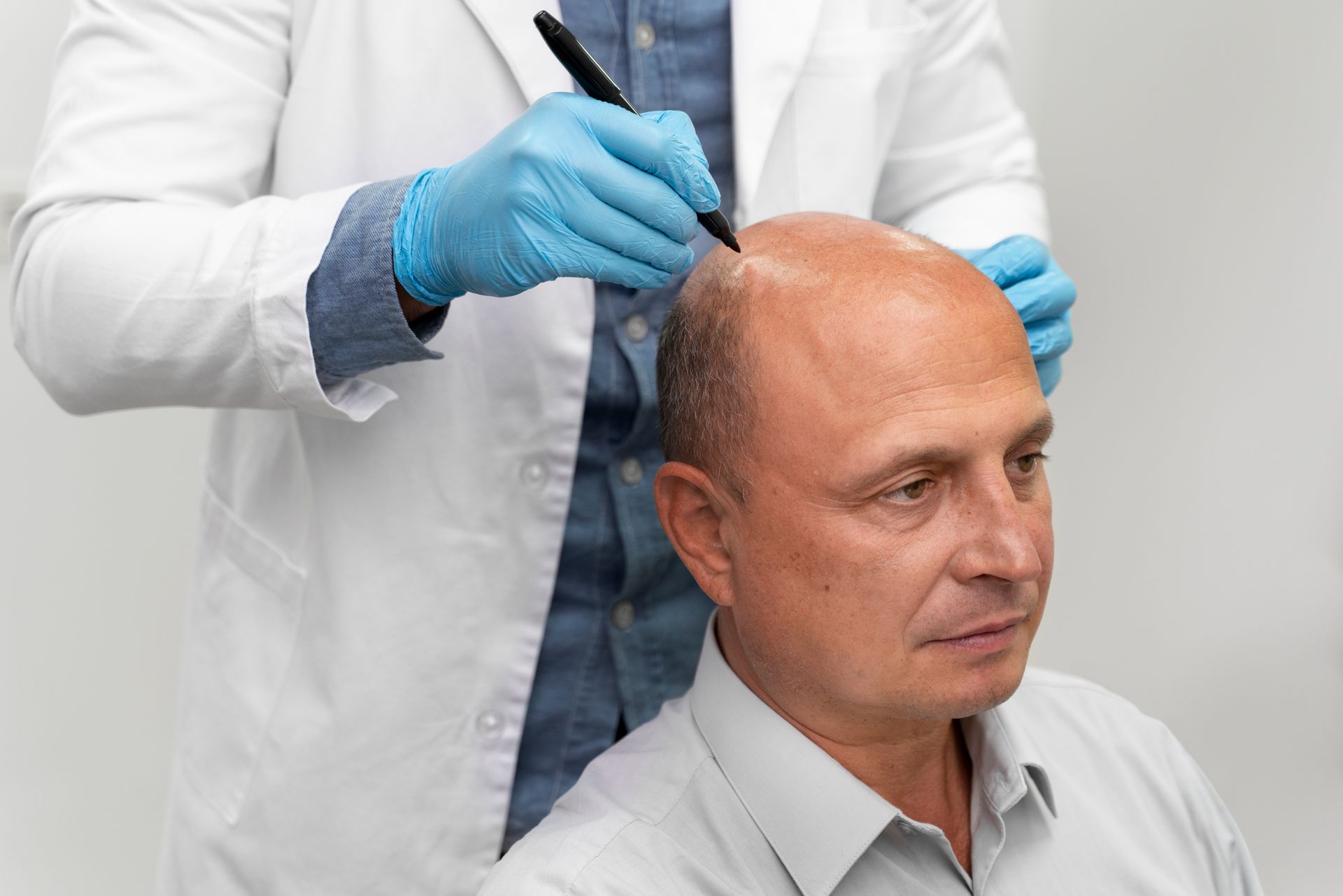
Hair density can influence how full, balanced, and youthful the scalp appears, especially when thinning becomes noticeable around the hairline, crown, or other areas. For people experiencing persistent hair loss, a hair transplant may be considered as a way to address areas where natural coverage has become less dense. Interest in Hair Transplant in Dubai continues to grow as more people explore options that can complement their appearance while maintaining a natural-looking sense of individuality. However, understanding whether this approach is suitable requires looking beyond popularity and considering factors such as hair-loss patterns, donor hair availability, personal expectations, and overall scalp condition.
Understanding Hair Density and Hair Loss
Hair density refers to how much hair appears across a particular area of the scalp. It is influenced by the number of follicles present, the characteristics of individual strands, and the way hair is distributed. When hair becomes thinner, the scalp may become increasingly visible, making certain areas appear less full.
Hair loss does not affect everyone in the same manner. Some individuals notice gradual thinning across the top of the scalp, while others experience more noticeable changes around specific regions. Genetics, aging, hormonal influences, lifestyle factors, nutritional concerns, and certain scalp conditions may all be associated with changes in hair coverage.
Can a Hair Transplant Support Greater Hair Density?
The suitability of this option depends on several personal characteristics, including the stability of hair loss and the availability of healthy donor hair. A person with adequate donor resources may have different considerations from someone whose hair is thinning throughout much of the scalp.
It is also important to recognize that density is not simply about having more strands. The overall appearance depends on how hair characteristics interact with the existing pattern of coverage. Hair texture, thickness, natural direction, and contrast between hair and scalp can influence how dense an area appears.
Factors That Influence Hair Density
Several considerations can affect whether a transplant is an appropriate option for someone concerned about thinning. Looking at these factors can help create more realistic expectations and encourage informed decisions.
- Pattern of hair loss: The location and nature of thinning can influence whether transplantation is appropriate.
- Donor hair availability: Adequate donor hair is an important consideration when addressing areas with reduced coverage.
- Hair characteristics: Strand thickness, texture, and natural color can affect the visual perception of density.
- Scalp condition: A healthy scalp provides an important foundation when considering hair-restoration options.
- Personal expectations: Understanding what can reasonably be addressed can help prevent unrealistic assumptions.
Is Hair Transplant Suitable for Different Types of Thinning?
Hair transplantation may be considered for several patterns of hair thinning, although suitability varies from person to person. Some individuals primarily notice changes at the frontal region, while others are more concerned about reduced coverage around the crown or upper scalp.
People experiencing sudden or unexplained hair loss should not automatically assume that transplantation is the appropriate answer. Identifying the underlying reason for hair changes is important before making a long-term decision about restoration.
What Should People Consider Before Choosing Hair Restoration?
Choosing a hair-restoration option is a personal decision. Rather than focusing only on the idea of increasing density, individuals should consider their current hair pattern, future concerns, and expectations.
- Hair-loss stability: Understanding whether thinning is stable or continuing can be important.
- Long-term expectations: A realistic perspective can support more informed decision-making.
- Overall appearance: Density should be considered alongside the hairline, crown, and surrounding coverage.
- Personal priorities: Some people may prioritize fuller-looking coverage, while others may be more concerned about specific areas.
Can Hair Transplantation Complement Natural-Looking Hair?
One reason hair transplantation attracts attention is the possibility of complementing the person's existing hair pattern rather than creating an entirely different appearance. Natural-looking hair characteristics are influenced by factors such as direction, distribution, texture, and individual density.
The goal for many people is not simply to have maximum fullness. Instead, they may want their hair to look balanced with their facial features and existing coverage. This makes personal assessment particularly important.
When Might Another Approach Be More Appropriate?
Not every case of thinning calls for transplantation. Some forms of hair loss may be temporary, medically related, or influenced by factors that should be addressed separately. In such situations, identifying the underlying concern may be more important than immediately considering a transplant.
People with rapidly changing hair loss, significant scalp irritation, or unclear causes of thinning may benefit from professional evaluation before making a decision. Hair restoration should be considered within the context of overall scalp and hair health.
How Can People Make an Informed Hair-Restoration Decision?
Making an informed decision begins with understanding individual hair characteristics rather than comparing personal circumstances with someone else's experience. Photographs, online discussions, and general information can provide useful background, but they cannot replace individualized assessment.
A person should consider whether their expectations are realistic, whether the pattern of hair loss is suitable for transplantation, and whether sufficient donor hair is available. It is equally important to understand that hair density is only one element of overall appearance.
Final Thoughts
So, is hair transplant helpful for restoring hair density today? For appropriately selected individuals, it can be a meaningful option for addressing areas affected by persistent thinning and reduced coverage. Its suitability depends on factors such as hair-loss pattern, donor hair availability, existing hair characteristics, scalp health, and personal expectations. The most useful approach is to consider hair density as part of the person's overall appearance rather than treating it as a simple measure of how many strands are present. With realistic expectations and appropriate professional guidance, individuals can make more informed choices about whether hair transplantation aligns with their hair-restoration goals.