
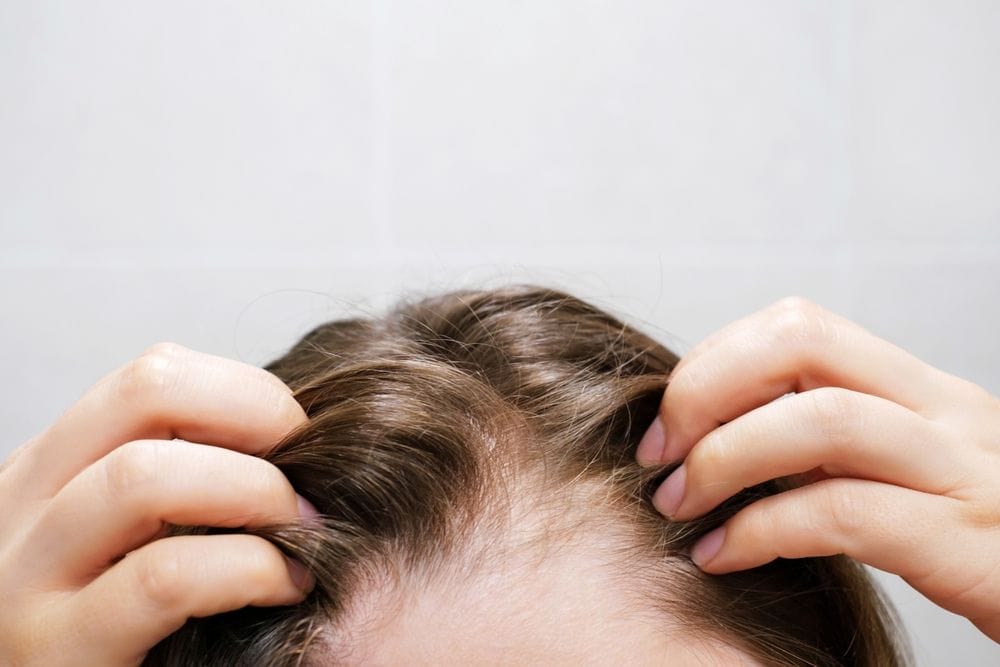
Hair density plays an important role in the overall appearance, shape, and balance of a woman's hairstyle. When hair begins to look thinner, the scalp may become more visible, and familiar hairstyles can feel less flattering. Female hair restoration is an option worth understanding for women who experience persistent thinning or areas of reduced coverage. For those researching Female Hair Transplants in Dubai, learning about hair density, common causes of hair loss, personal suitability, and long-term hair health can help clarify whether this approach aligns with their concerns.
Understanding Hair Density in Women
Hair density refers to the amount of hair growing across a particular area of the scalp. It influences how full the hair appears, whether the scalp is visible under bright lighting, and how easily different hairstyles maintain their shape. Women naturally have different hair densities, so there is no single standard that defines healthy-looking hair for everyone.
Changes in density may become noticeable around the parting, temples, crown, or front hairline. Some women experience gradual thinning across the scalp, while others notice more concentrated areas of reduced coverage.
Why Do Women Experience Hair Thinning?
Female hair thinning can have several contributing factors. Understanding the possible causes is important because hair transplantation is not appropriate for every type of hair loss.
- Hereditary hair thinning and changes associated with family history.
- Hormonal fluctuations related to different stages of life.
- Nutritional deficiencies, including inadequate iron intake.
- Physical or emotional stress that affects the hair growth cycle.
- Certain medical conditions or medications that influence hair health.
Can Hair Transplantation Help Improve Female Hair Density?
Hair transplantation may be helpful for selected women who have suitable donor hair and specific areas where additional coverage is needed. It is generally considered when hair loss patterns and scalp health make transplantation a reasonable option.
However, suitability depends on individual circumstances. Women experiencing widespread thinning may have limited donor hair, while those with certain types of scarring or active hair loss may require different approaches.
Which Areas of the Scalp May Benefit?
Hair thinning does not affect every woman in the same way. Some notice a widening central part, while others experience reduced fullness around the temples or frontal hairline.
- The frontal hairline, where reduced coverage can change facial framing.
- The central parting, where thinning may make the scalp more noticeable.
- The temples, where sparse hair can affect the appearance of the hairline.
- Selected areas with stable, localized hair loss and adequate donor support.
Who May Be a Suitable Candidate?
Not every woman experiencing hair loss is an appropriate candidate for transplantation. Individual assessment is particularly important because female hair thinning can involve several overlapping conditions.
Women with unexplained shedding, active scalp disorders, or diffuse thinning throughout the donor area may need further evaluation before considering transplantation. Addressing an underlying health concern can be more appropriate than focusing immediately on restoring density.
The Importance of Donor Hair Quality
Donor hair is a significant consideration in female hair restoration. The amount, thickness, distribution, and condition of available hair influence whether transplantation is a practical option.
Women with naturally fine hair may have different coverage needs from those with thicker strands. A careful assessment of donor density helps establish realistic expectations and supports decisions that protect the overall appearance of the remaining hair.
Female Hair Loss and Hormonal Changes
Hormonal changes can influence hair density at different stages of a woman's life. Pregnancy, the period following childbirth, menopause, and certain endocrine conditions may be associated with changes in shedding or hair texture.
Understanding whether thinning is temporary, hormonal, hereditary, or related to another condition helps guide appropriate decisions. Medical evaluation is especially valuable when hair loss begins suddenly or occurs alongside other unexplained symptoms.
Alternatives for Supporting Hair Density
Hair transplantation is only one consideration within a broader approach to hair health. Depending on the cause of thinning, non-surgical options may be more suitable or may be recommended alongside other forms of care.
- Medical treatments recommended for the specific type of hair loss.
- Nutritional assessment when deficiencies are suspected.
- Gentle hair-care habits that reduce unnecessary breakage.
- Hairstyles and hair products that create the appearance of fuller coverage.
Setting Realistic Expectations About Hair Coverage
Hair density is influenced by several characteristics, including strand thickness, natural curl pattern, hair colour, and contrast between the hair and scalp. Consequently, two women with similar numbers of hairs may have noticeably different levels of visible coverage.
Expectations should reflect the individual's existing hair, donor supply, and pattern of thinning. Transplantation cannot guarantee a particular density, and progressive hair loss in surrounding areas may affect the overall appearance over time.
Maintaining Healthy Hair Habits
Everyday hair-care choices can support scalp comfort and reduce avoidable damage. Although healthy habits cannot prevent every form of hair loss, they can contribute to better hair management.
Useful practices include choosing gentle hair products, limiting excessive heat styling, avoiding consistently tight hairstyles, and maintaining a balanced diet. Women should also seek medical advice when shedding becomes persistent, patchy, or unusually severe.
Final Thoughts
Female hair transplantation can be a helpful option for selected women who want to address localized areas of reduced hair density. Its suitability depends on the cause and pattern of hair loss, donor hair quality, scalp health, and individual expectations. It is not equally appropriate for every woman, particularly when thinning is widespread or an underlying condition remains untreated.