
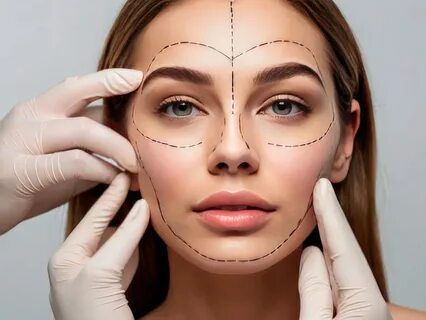
Facial contours play an important role in defining the overall appearance of the face, influencing how the jawline, cheeks, and lower face look together. As people age, changes in skin firmness and facial fullness can make these features appear less defined. Many individuals exploring Facelift in Dubai consider whether this aesthetic option aligns with their facial goals and personal preferences. A facelift is commonly associated with addressing visible sagging and improving the appearance of facial definition.
What Makes Facial Contours Less Defined?
Several factors can influence how clearly facial features appear. Common concerns associated with less defined contours include:
- Looser-looking skin around the lower cheeks.
- A softer appearance along the jawline.
- Visible folds around the mouth.
- Reduced distinction between the chin and neck.
- A heavier appearance in the lower face.
How Can a Facelift Support Facial Definition?
A facelift is an aesthetic option generally associated with addressing loose skin and visible sagging across selected areas of the face. Its relevance to facial contours lies in the appearance of the cheeks, lower face, and jawline.
The main consideration is the relationship between facial definition and skin laxity. A face that appears less sculpted because of sagging may present different concerns from one whose shape is primarily determined by natural bone structure or facial fullness.
Is a Facelift Suitable for Every Face Shape?
Facial structure varies considerably, and an approach that complements one person may not suit another. Personal suitability depends on several considerations:
- The areas where sagging is most noticeable.
- Existing facial proportions and natural symmetry.
- Skin characteristics and individual ageing patterns.
- Personal preferences regarding facial appearance.
- Expectations about maintaining natural features.
The Relationship Between the Jawline and Facial Balance
The jawline is a defining feature of the lower face. Its appearance influences the visual relationship between the cheeks, chin, and neck. When the skin around the lower face becomes less firm, the jawline may appear softer, making the transition between these areas less distinct.
For individuals concerned about facial contours, jawline definition can be an important aesthetic consideration. A facelift is often associated with improving the appearance of sagging around this region, although the extent to which it suits a particular concern varies.
Maintaining Natural-Looking Facial Proportions
Facial enhancement is often most appealing when it respects the person's existing characteristics. Natural-looking contours depend on how the forehead, cheeks, nose, chin, and jawline relate to one another.
A facelift should therefore be considered in the context of overall facial harmony rather than as a way to pursue a particular trend. Personal preferences, cultural influences, and individual perceptions of attractiveness all affect what someone considers a desirable appearance.
Facial Contours Versus Facial Volume
Facial definition and facial volume are related, but they are not identical. Contours describe the visible outlines and transitions between facial areas, while volume refers to the fullness of features such as the cheeks and temples.
A facelift is primarily associated with concerns involving sagging and skin laxity. It should not automatically be viewed as a solution for every issue involving facial fullness or proportions. Understanding the distinction between these concerns helps individuals evaluate their aesthetic goals more accurately.
Who May Consider Facial Contour Enhancement?
Individuals who notice changes in facial definition may explore different aesthetic options according to their priorities. Those particularly concerned about sagging around the cheeks or jawline may be interested in learning more about facelifts.
It is useful to consider whether the concern involves loose skin, facial fullness, or the underlying shape of the face. Clear personal priorities provide a more meaningful starting point than following beauty trends or comparing individual features with photographs of other people.
Setting Realistic Expectations About Facial Enhancement
Expectations play an important role in any decision concerning appearance. A facelift should not be assumed to create perfect symmetry, completely change facial structure, or reproduce another person's features. Natural faces have subtle differences, and these characteristics contribute to their individuality.
Individuals should also recognise that facial attractiveness is not determined by one feature alone. Skin appearance, proportions, expressions, and the relationship between facial areas all contribute to the overall impression.
Final Thoughts
A facelift can be a relevant option for individuals seeking to improve the appearance of facial contours affected by visible sagging and reduced definition. Its suitability, however, depends on the nature of the concern, existing facial structure, and personal aesthetic expectations. It is not intended to address every issue related to facial shape, volume, or symmetry. Understanding the differences between skin laxity, natural fullness, and underlying facial proportions can help individuals approach facial enhancement more thoughtfully.