
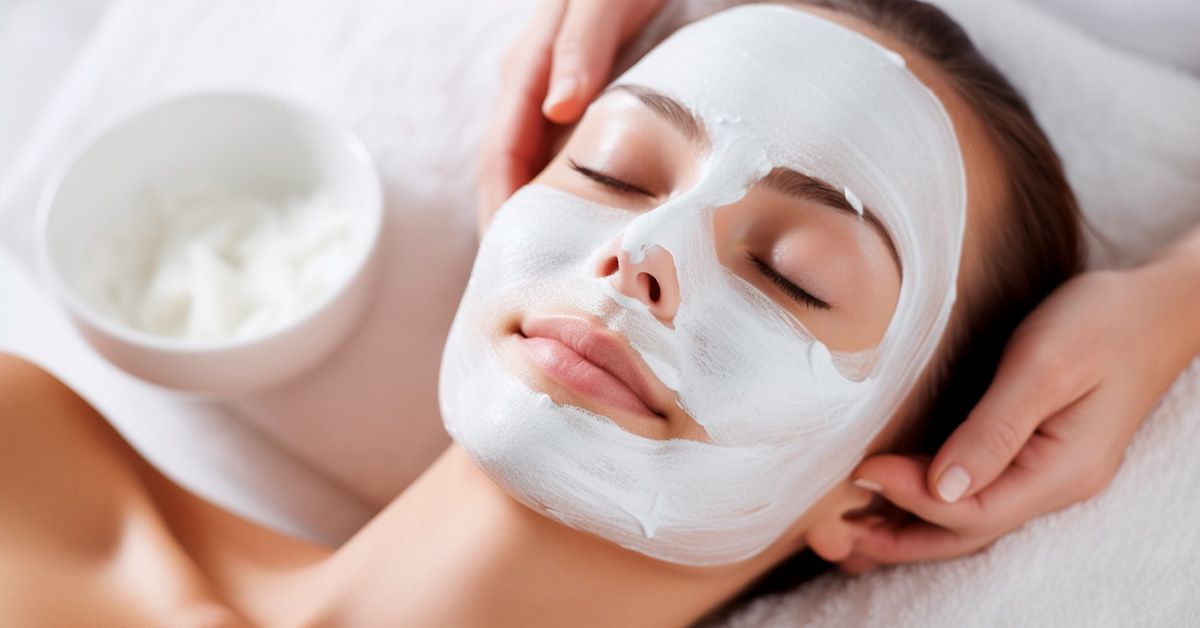
Excess facial oil can make the skin appear shiny, contribute to clogged pores, and create challenges when maintaining a fresh complexion throughout the day. People with oily skin often look for skincare options that help remove impurities without leaving the face feeling dry or uncomfortable. A Deep Cleansing Facial in Dubai may be a suitable option for people who want to maintain cleaner pores and manage surface oil as part of their skincare routine. Understanding how deep cleansing supports skin cleanliness, which habits influence oil production, and how to care for oily skin can help individuals make informed decisions about their facial care.
Understanding Excess Facial Oil
Facial oil, also known as sebum, is naturally produced by sebaceous glands. It helps protect the skin and maintain its natural moisture barrier. However, when oil accumulates on the surface, the complexion may look greasy, especially around the forehead, nose, and chin.
Several factors can influence how oily the skin becomes, including genetics, hormonal fluctuations, environmental conditions, and skincare habits.
Can Deep Cleansing Help Manage Oily Skin?
Deep cleansing can help remove excess oil from the skin's surface, making the complexion feel cleaner and less greasy. It may also help clear accumulated impurities around pores, which can be beneficial for people who regularly experience congestion.
People can support their skincare goals by combining appropriate facial care with consistent daily cleansing and moisturizing habits.
The Connection Between Oil and Clogged Pores
When excess sebum combines with dead skin cells and other impurities, pores may become congested. This can contribute to blackheads, whiteheads, and an uneven-looking complexion. Helpful habits for reducing unnecessary pore congestion include:
Choosing non-comedogenic skincare products.
Avoiding frequent touching or squeezing of congested areas.
Cleansing gently after sweating.
Removing makeup thoroughly before sleeping.
Why Does Facial Oil Increase During the Day?
Many people notice that their skin becomes progressively shinier as the day continues. This is often related to ongoing sebum production, although heat, humidity, physical activity, and skincare products can also influence the appearance of oiliness.
Understanding these daily changes can help people distinguish normal oil production from irritation caused by unsuitable skincare products.
Choosing Skincare Products for Oily Skin
The products used between facials can significantly influence how comfortable and balanced oily skin feels. Harsh cleansers may remove too much natural oil, leaving the skin dry, tight, or irritated. Consider these useful product-selection principles:
Use a gentle cleanser that does not leave the skin feeling stripped.
Select a lightweight, non-comedogenic moisturizer.
Apply broad-spectrum sunscreen suitable for your skin type.
Introduce exfoliating ingredients gradually rather than combining several strong products at once.
Does Skin Type Affect Facial Cleansing Needs?
Not everyone experiences oiliness in the same way. Some people have consistently oily skin, while others experience an oily forehead and nose alongside dry cheeks. These differences influence which skincare approaches are most appropriate. Oily and combination skin may benefit from effective cleansing, but sensitive skin requires additional care.
People with redness, eczema, active inflammation, or a damaged skin barrier should consider their existing skin concerns before choosing intensive cleansing treatments.
Common Mistakes When Managing Excess Oil
Trying to eliminate every trace of facial oil can unintentionally make skincare more complicated. Common mistakes include:
Washing the face repeatedly throughout the day.
Using abrasive scrubs too frequently.
Skipping moisturizer because the skin feels oily.
Applying multiple strong exfoliating products together.
Squeezing blackheads or blemishes at home.
How Lifestyle Habits Support Balanced Skin
Daily habits can complement a suitable skincare routine. Although lifestyle changes cannot completely override genetic or hormonal influences on sebum production, they can support general skin health. Regular sleep, a balanced diet, appropriate hydration, and stress management contribute to overall well-being.
It is equally important to avoid assuming that every oily complexion results from poor hygiene. Natural differences in skin type play a substantial role in how much oil the face produces.
When Should You Seek Professional Skin Advice?
Persistent oiliness accompanied by frequent breakouts, painful blemishes, irritation, or significant redness may require more than a cleansing-focused skincare approach.
Professional guidance is especially valuable when over-the-counter products repeatedly cause discomfort or when oily skin occurs alongside other persistent concerns. A personalized approach can help distinguish ordinary sebum production from conditions that may benefit from targeted treatment.
Final Thoughts
A deep cleansing facial can be a useful addition to an oily-skin care routine because it helps remove surface oil and accumulated impurities. However, it does not permanently stop sebum production or guarantee that pores will remain clear. Maintaining healthy-looking skin requires a balanced approach that includes gentle cleansing, appropriate moisturizing, sun protection, and careful product selection. By understanding their individual skin needs and avoiding overly aggressive skincare habits, people can manage unwanted shine while preserving the natural protective functions of their skin.