
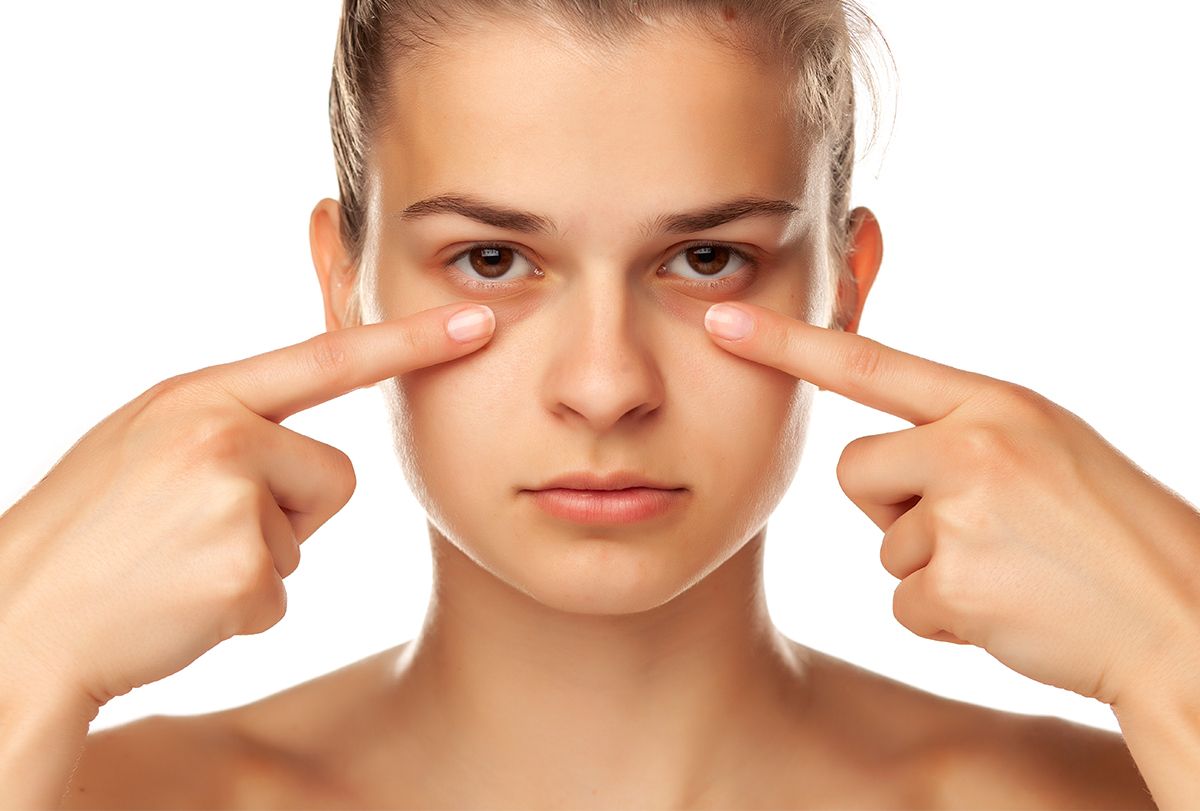
Tired-looking eyes can affect the overall appearance of the face, making someone seem exhausted even when they feel well-rested. Dark circles are a common concern that may create shadows beneath the eyes, uneven skin tone, or a dull appearance. For individuals exploring Dark Circles Treatment in Dubai, understanding the different factors that contribute to under-eye discoloration can help them make informed decisions about their skincare needs. Although dark circles are usually harmless, their appearance can influence facial freshness and confidence.
What Makes Dark Circles a Common Concern?
The under-eye area has delicate skin that can make discoloration, shadows, and uneven texture more noticeable. Common factors associated with dark circles include:
- Genetic predisposition and natural skin pigmentation.
- Lack of sufficient sleep or irregular sleeping habits.
- Dehydration and inadequate daily skincare.
- Allergies that contribute to irritation or rubbing around the eyes.
- Natural hollows beneath the eyes that create visible shadows.
Can Dark Circles Treatment Refresh Tired Eyes?
Dark circles treatment may help improve the appearance of tired eyes by addressing concerns such as uneven pigmentation, dullness, or visible under-eye shadows. When the appearance of the under-eye area becomes more balanced with the surrounding skin, the face may look brighter and more awake.
A refreshed appearance does not necessarily mean eliminating every dark area. Subtle improvements in skin appearance and overall facial balance can also make the eyes look less tired.
The Difference Between Dark Circles and Eye Fatigue
Dark circles and eye fatigue are often discussed together, but they are not identical concerns. Eye fatigue may involve heaviness, discomfort, dryness, or a feeling of strain after prolonged screen use or demanding daily activities. Dark circles, in contrast, refer to the visible discoloration or shadowing beneath the eyes.
Someone may experience tired eyes without having noticeable dark circles. Similarly, a person with naturally prominent under-eye pigmentation may have dark circles despite feeling energetic.
How Skin Characteristics Influence Under-Eye Appearance
Individual skin characteristics play an important role in the visibility of dark circles. Skin tone, natural pigmentation, texture, and inherited facial features can all influence how the under-eye area looks.
For example, some people experience brown discoloration associated with pigmentation, while others notice bluish tones or shadows. Thin or delicate under-eye skin may also make underlying structures more visible. These differences mean that a single skincare approach may not suit every individual.
The Role of Sleep and Everyday Habits
Everyday habits can influence how refreshed the eyes appear. Insufficient sleep may contribute to a dull complexion, puffiness, and more noticeable under-eye shadows. Helpful habits for supporting a fresher appearance include:
- Maintaining a consistent sleep schedule.
- Drinking adequate water throughout the day.
- Wearing sun protection suitable for the delicate eye area.
- Avoiding unnecessary rubbing or scratching around the eyes.
- Taking regular breaks during prolonged screen use.
Choosing Skincare for the Delicate Eye Area
The skin around the eyes requires thoughtful product selection because it can be sensitive to fragrances, strong active ingredients, and irritating formulations. Gentle moisturizers may help maintain skin hydration, while selected skincare ingredients can support a more even-looking complexion.
Products containing ingredients such as niacinamide or vitamin C may be useful for some pigmentation concerns, depending on the formulation and individual tolerance.
Why Realistic Expectations Matter
Dark circles can have several contributing factors, so complete elimination is not always possible. Skincare may support hydration and improve the appearance of certain pigmentation concerns, but it cannot necessarily change inherited facial contours or naturally deep under-eye hollows.
A realistic approach focuses on what can reasonably be improved rather than pursuing an entirely different appearance. Natural variations in skin tone and facial structure are normal, and some degree of under-eye darkness may remain even with consistent care.
When Under-Eye Changes Need Attention
Although dark circles are usually a cosmetic concern, new or unusual changes around the eyes should not automatically be attributed to tiredness.
Allergies and certain health conditions can also contribute to the appearance of the under-eye area. If dark circles develop alongside ongoing fatigue or other unexplained symptoms, consulting a qualified healthcare professional can help identify potential contributing factors.
Final Thoughts
Dark circles treatment can be a useful option for people who want their eyes to appear brighter, more balanced, and less tired. Its suitability depends on the nature of the discoloration, individual skin characteristics, and the expectations a person has for their appearance. While appropriate skincare and healthy everyday habits may support a refreshed look, not every type of dark circle responds in the same way.