
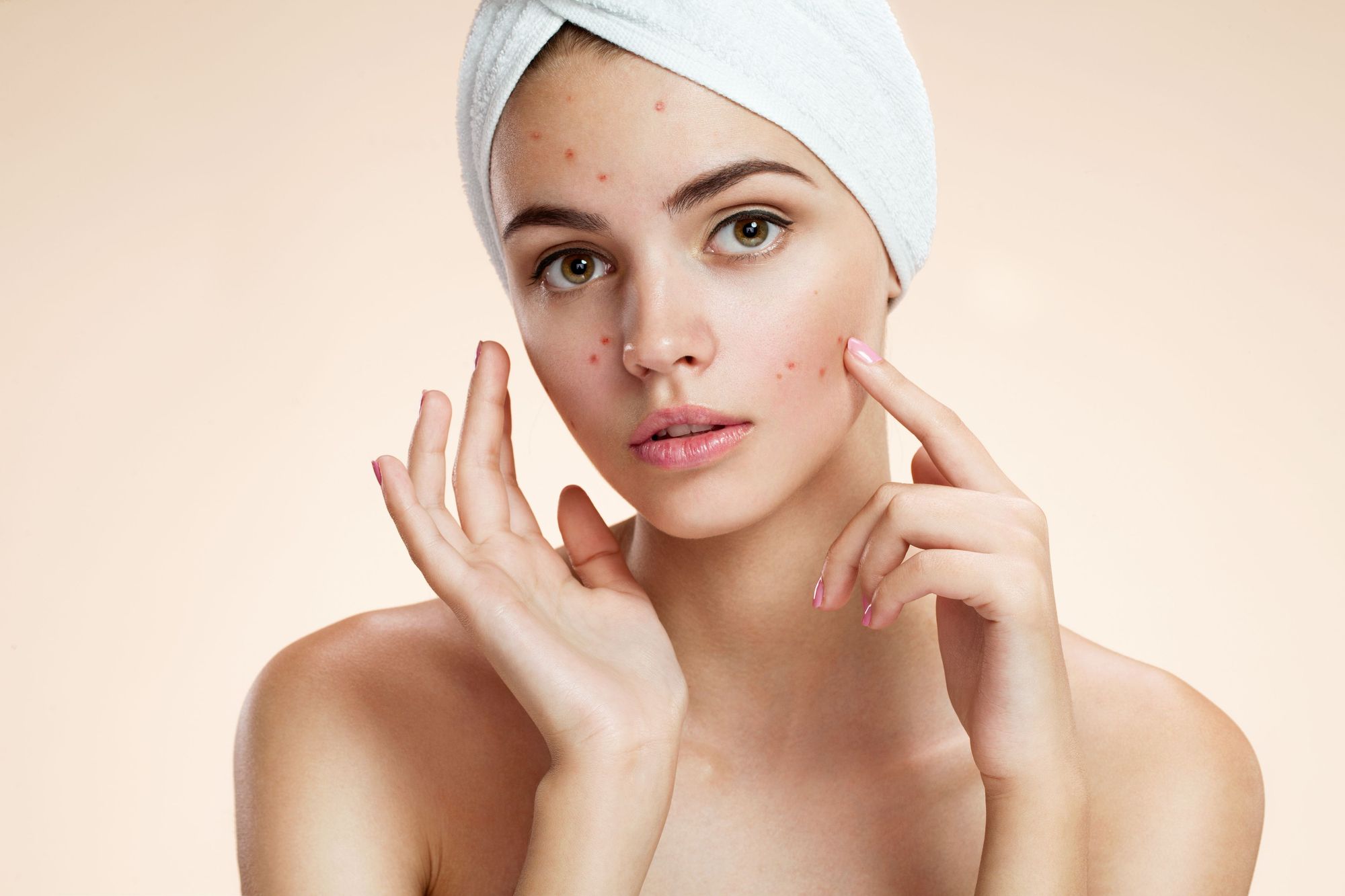
Inflamed pimples are a common skin concern that can make the complexion appear red, swollen, and uneven. They often develop when pores become blocked with excess oil, dead skin cells, and bacteria, leading to irritation within the skin. Acne-prone skin may require a thoughtful approach that addresses these underlying concerns rather than focusing only on visible blemishes. Choosing suitable Acne Treatment in Dubai can help individuals explore skincare options designed to manage inflammation, support clearer-looking skin, and maintain a healthier complexion.
How Acne Treatment Addresses Skin Inflammation
Acne treatment can be helpful for managing inflamed pimples when the selected approach suits the individual's skin type and acne severity. Certain topical ingredients help unclog pores, while others target acne-associated bacteria or reduce inflammation. A suitable skincare routine may also support the skin barrier and limit additional irritation.
However, not every acne product works in the same way. Selecting appropriate ingredients and avoiding unnecessarily harsh products are important considerations for people experiencing redness, sensitivity, and recurring breakouts.
Common Causes of Red and Swollen Pimples
Inflamed pimples can develop for several reasons, and more than one factor may contribute to their appearance. Common contributing factors include:
Excess oil production: Sebum can combine with dead skin cells and contribute to blocked pores.
Hormonal changes: Fluctuations may increase oil production and encourage recurring breakouts.
Bacterial activity: Acne-associated bacteria can contribute to inflammation within blocked follicles.
Skin irritation: Aggressive exfoliation and unsuitable skincare products may worsen redness.
Identifying personal triggers can support a more consistent approach to caring for acne-prone skin.
The Importance of a Gentle Skincare Routine
A gentle routine is an important part of caring for inflamed skin. Cleansing too frequently, scrubbing blemishes, or combining multiple strong active ingredients can compromise the skin barrier and increase discomfort. Helpful habits include:
Washing the face with a mild, non-comedogenic cleanser.
Applying a lightweight moisturiser suitable for acne-prone skin.
Using broad-spectrum sunscreen during the day.
Avoiding abrasive scrubs and frequent product changes.
Can Acne Treatment Help With Different Types of Pimples?
Acne treatment options vary according to the type and severity of the blemishes. Mild inflammatory acne may be managed with appropriate over-the-counter products, whereas deeper nodules, painful cysts, or widespread breakouts may require prescription treatment. A product that helps with clogged pores may not be sufficient for more pronounced inflammation.
Recognising these differences helps prevent unrealistic expectations and unnecessary experimentation. People who experience persistent tenderness, recurring deep blemishes, or signs of scarring should consider consulting a qualified healthcare professional for an appropriate assessment.
Why Picking Inflamed Pimples Should Be Avoided
Squeezing or picking pimples can increase irritation and damage the surrounding skin. Pressure may push inflammatory material deeper into the follicle, potentially worsening swelling and tenderness. Manipulating blemishes can also introduce additional bacteria from the hands and increase the likelihood of post-inflammatory marks or scarring.
Allowing blemishes to heal without picking them is a useful skincare practice. Keeping fingernails away from affected areas and avoiding harsh spot treatments can help minimise further irritation.
The Role of Moisturising in Acne-Prone Skin
Moisturising remains important even when the skin produces excess oil. Some acne treatments can cause dryness, flaking, or tightness, making a suitable moisturiser valuable for supporting the skin barrier. Lightweight, fragrance-free, non-comedogenic formulas may be appropriate for many acne-prone individuals. The ideal choice should provide hydration without creating an uncomfortable or overly greasy feeling.
Lifestyle Habits That Support Skin Health
Daily habits can complement an appropriate acne skincare routine. Useful habits include:
Cleaning makeup brushes and regularly changing pillowcases.
Removing makeup before sleeping.
Managing stress through relaxing activities and regular physical movement.
Choosing a balanced eating pattern while observing any personal dietary triggers.
When to Seek Professional Advice
Professional guidance can be valuable when inflamed pimples are painful, widespread, recurring, or associated with scarring. A healthcare professional can assess the type of acne, review existing skincare products, and recommend suitable options based on individual needs.
Avoiding self-prescribed combinations of strong ingredients can also reduce the risk of skin barrier damage. A tailored approach is often more appropriate than repeatedly switching between products without understanding the underlying problem.
Final Thoughts
Acne treatment can be helpful for managing inflamed pimples by addressing clogged pores, excess oil, acne-associated bacteria, and skin irritation. However, the most suitable approach depends on the nature of the breakouts and the individual's skin sensitivity. Gentle cleansing, appropriate active ingredients, regular moisturising, and avoiding the temptation to pick blemishes can all contribute to better skincare practices.