
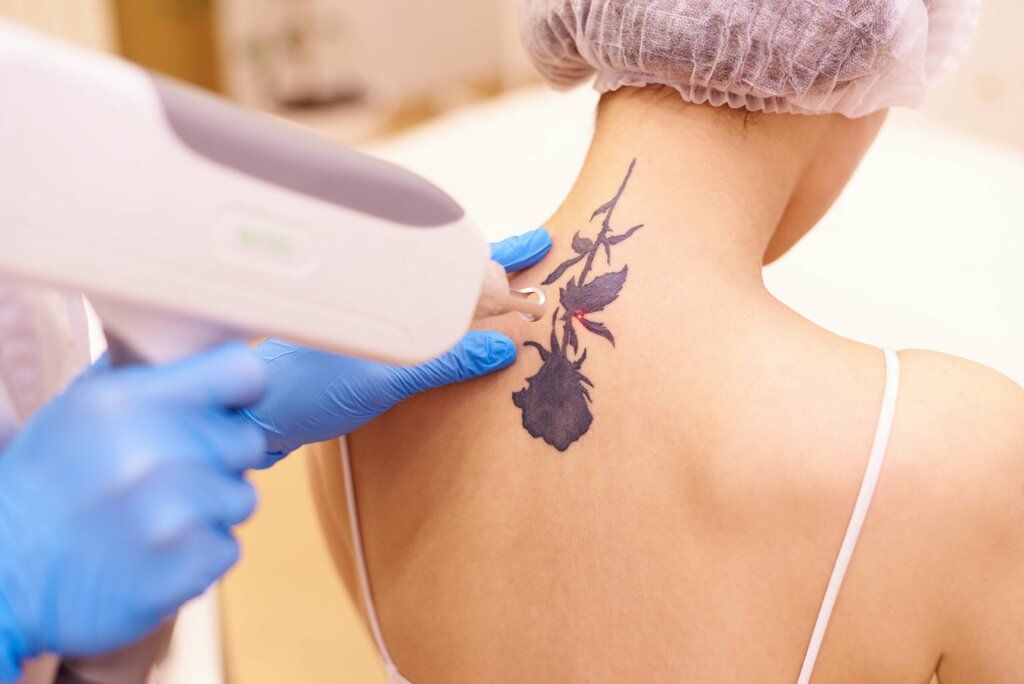
Tattoos often represent meaningful memories, personal milestones, or creative choices. However, preferences can change, and a design that once felt special may no longer suit someone's lifestyle or identity. Some older tattoos may also appear blurred, uneven, or less attractive as the skin changes over time. Tattoo Removal Dubai is an option for individuals who want to explore ways to reduce the visibility of unwanted ink and achieve a more natural-looking appearance.
Why Older Tattoos May Need Special Consideration
Older tattoos can have different characteristics depending on the original application technique, pigment composition, and changes within the skin. Several characteristics are worth considering when evaluating an old tattoo:
Ink depth: Pigment placement can influence the approach used for removal.
Colour variety: Black, blue, green, and other shades may respond differently to laser wavelengths.
Tattoo density: Heavily saturated designs can require individual assessment.
Skin condition: Existing texture changes or scarring should be considered before treatment.
The Role of Laser Technology in Tattoo Fading
Laser technology is widely used in tattoo removal because it targets selected ink pigments without intentionally removing the entire surface layer of skin. The laser delivers short energy pulses that fragment pigment particles into smaller pieces. The body's natural processes then help clear these particles gradually.
Different laser systems may be appropriate for different ink colours and skin characteristics. Professional assessment helps determine which technology is suitable for a particular tattoo.
Can Tattoo Removal Help Soften Bold Designs?
Bold tattoos often contain thick outlines, dense shading, or strongly saturated colours that make them prominent on the skin. Tattoo removal may help reduce this visual intensity by targeting the pigment responsible for the design. As the ink becomes less concentrated, the tattoo may appear softer and less distinct.
This approach can be relevant for people who want an existing design to become less noticeable without necessarily pursuing complete removal.
Addressing Blurred Lines and Uneven Tattoo Appearance
Older tattoos sometimes develop an indistinct appearance, with outlines that seem less precise or colours that appear unevenly distributed. These characteristics can make the design look different from its original appearance. Tattoo removal may help reduce the prominence of the existing pigment, particularly when the primary concern is an unwanted or visually distracting design. It is important to understand that pigment removal does not directly repair skin texture or eliminate tattoo-related scarring.
Important Factors That Influence Tattoo Visibility
Every tattoo has unique characteristics that influence how it can be approached. The following considerations help explain why removal methods should be selected individually:
Ink colour and composition: Certain pigments are more responsive to particular laser wavelengths than others.
Placement on the body: Tattoo location and local skin characteristics can influence treatment planning.
Skin tone: Appropriate laser selection and settings are essential for reducing the risk of pigmentation changes.
Existing scars: Raised or uneven areas may need separate evaluation.
Previous treatments: Earlier removal sessions or cover-ups can change the way a tattoo is assessed.
Preparing the Skin for Tattoo Removal
Skin preparation is an important part of responsible tattoo removal. The treatment area should be evaluated for irritation, active infections, existing skin conditions, and other concerns that could influence suitability. Individuals should share relevant medical information, previous tattoo treatments, and any history of unusual scarring with their practitioner. Following professional instructions about sun exposure, skincare products, and general skin protection can also help support safer care.
Supporting Skin Health During Tattoo Removal
Maintaining healthy skin practices is important when addressing unwanted tattoos. Gentle cleansing, suitable moisturising products, and protection from direct sunlight can support the skin's natural protective barrier. After treatment, following the practitioner's aftercare instructions helps minimise unnecessary irritation. Picking scabs, scratching the treated area, or exposing healing skin to excessive friction should be avoided. People who notice unusual swelling, increasing pain, spreading redness, or signs of infection should seek medical advice.
Choosing the Right Approach for Personal Goals
Tattoo removal decisions should reflect the individual's reasons for wanting a design to become less visible. Some people may wish to reduce the prominence of a name, symbol, or outdated artistic design, while others may be considering a future cover-up.
An experienced practitioner can examine the tattoo's colour, density, placement, and relationship to the surrounding skin. Discussing expectations openly is useful because complete clearance cannot always be guaranteed, and some pigment or skin changes may remain.
Final Thoughts
Old tattoos do not always reflect a person's current identity, preferences, or sense of style. Tattoo removal offers an option for addressing unwanted ink by reducing its visibility through carefully selected techniques, particularly laser-based treatments. Factors such as pigment colour, tattoo depth, skin tone, and existing scarring all contribute to the assessment. Professional evaluation, appropriate treatment selection, and responsible aftercare are essential parts of the process.