
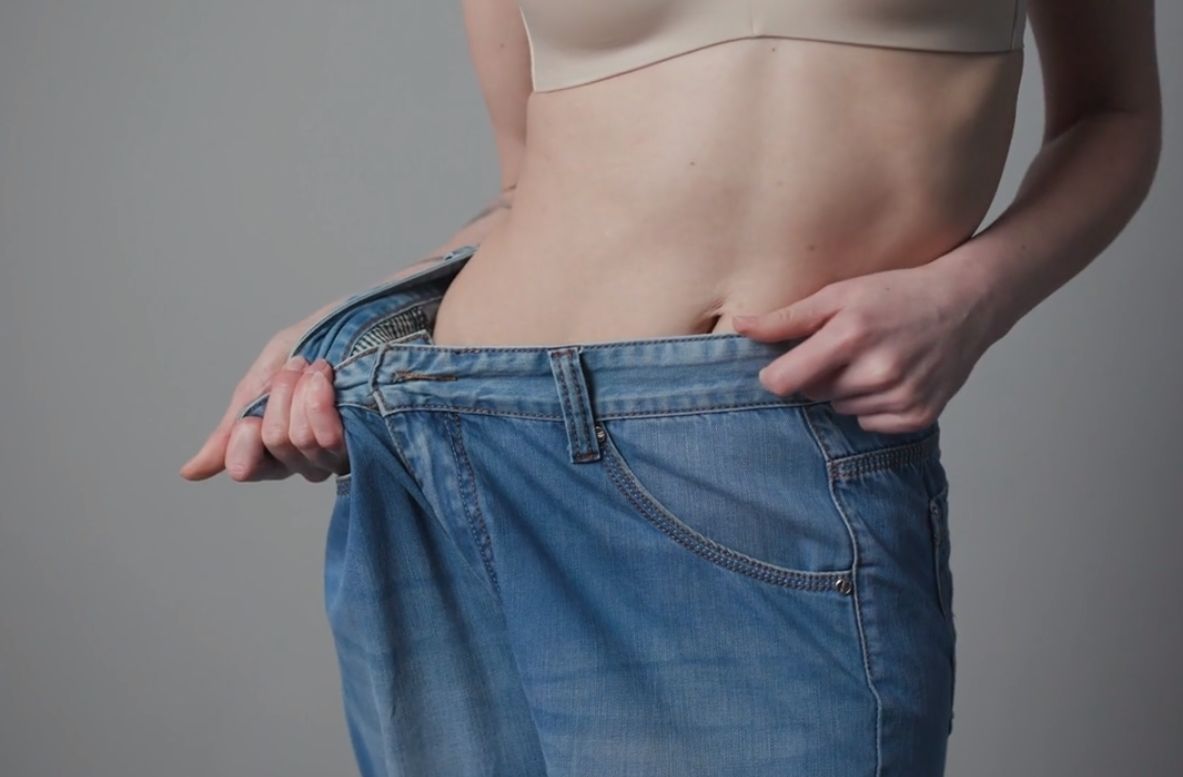
Uneven fat distribution can make certain areas of the body appear fuller than others, even when a person maintains a healthy lifestyle. Factors such as genetics, age, hormonal changes, and natural body composition can influence where fat tends to accumulate. For individuals exploring targeted approaches, Lipolysis Treatment in Dubai may be considered as part of a personalized aesthetic plan focused on areas with localized fat concerns. Rather than being associated with overall weight management, lipolysis is generally discussed in the context of addressing specific areas where unwanted fat may be more noticeable.
Understanding Uneven Fat Distribution
Body fat is not distributed evenly in everyone. Some individuals may naturally carry more fullness around the abdomen, while others may notice it around the thighs, hips, arms, back, or beneath the chin. These differences are often determined by individual body characteristics rather than simply by body weight.
Uneven distribution can become more noticeable when surrounding areas have less fatty tissue. A relatively small amount of localized fullness may therefore draw attention to a particular region. Lipolysis treatment is commonly considered when the concern involves defined pockets of fat rather than generalized excess weight.
Areas Commonly Associated With Localized Fat
Different parts of the body can develop isolated areas of fullness. The suitability of a lipolysis-based approach depends on the individual area, overall health, and the type of concern being addressed.
- Abdomen and waistline
- Thighs and hips
- Upper arms
- Back and flank areas
- Under-chin region
Supporting More Balanced Body Contours
Uneven fat distribution can affect how the body's natural proportions are perceived. When one area appears noticeably fuller, attention may become concentrated on that region. A targeted approach to localized fat can therefore be considered with the broader goal of supporting more balanced-looking contours.
Lipolysis is not intended to replace healthy habits or function as a general weight-loss strategy. Instead, it may be relevant to people who have specific areas of localized fat that remain noticeable despite maintaining their usual lifestyle.
Why Localized Fat Can Be Persistent
Certain fat deposits can be particularly resistant to changes in diet and physical activity. This does not necessarily indicate poor lifestyle habits. Genetics, age-related changes, and individual fat-storage patterns can all contribute to persistent fullness in selected areas.
- Genetic tendencies can affect where fat is stored.
- Age may alter body composition and fat distribution.
- Hormonal fluctuations can influence certain areas of the body.
- Changes in activity levels may affect overall body composition.
- Natural differences in anatomy can make localized fullness more noticeable.
Understanding these influences can help distinguish localized contour concerns from broader weight-related issues.
Lipolysis and Body Contouring Considerations
Lipolysis is generally associated with approaches designed to address localized adipose tissue. In the context of uneven fat distribution, its relevance comes from the ability to focus attention on selected areas rather than treating the body as a single uniform region.
This distinction is important because body contouring and weight reduction are not interchangeable concepts. Someone can have a healthy body weight while still having small areas of unwanted fullness. Aesthetic treatments aimed at localized fat are therefore typically considered according to contouring goals rather than the number shown on a weighing scale.
The Importance of Individual Body Proportions
Balanced body contours do not necessarily mean having identical amounts of fat across every area. Natural asymmetry is normal, and healthy bodies can have considerable variation in shape and proportion.
When considering lipolysis, the focus may be on how a particular area relates visually to surrounding structures. Factors such as skin characteristics, tissue distribution, body shape, and the location of localized fullness can all influence whether a treatment is appropriate.
Lifestyle and Fat Distribution
Lifestyle remains relevant when discussing localized fat concerns. Regular physical activity and balanced nutrition support general health and body composition, although they cannot always control exactly where the body stores or loses fat.
Lipolysis should not be viewed as a substitute for healthy habits. Instead, it can be considered within a broader approach to body contouring for individuals who are concerned about specific areas of disproportionate fullness. Maintaining realistic expectations is equally important. Body contouring focuses on aesthetic concerns and does not eliminate the natural variations that make every person's body shape different.
Choosing a Suitable Approach
Not every type of localized fat concern is necessarily appropriate for lipolysis. A qualified healthcare professional can evaluate the area being considered and determine whether the concern is related to localized fat, loose skin, swelling, or another factor.
- The location and extent of localized fullness
- Overall health and medical history
- Skin quality and elasticity
- Existing body-contouring concerns
- Individual aesthetic goals
Final Thoughts
Uneven fat distribution is a common body-contouring concern and can occur independently of overall body weight. Genetics, age, hormones, lifestyle, and natural anatomy can all contribute to localized areas of fullness. Lipolysis may be considered as a targeted aesthetic option for selected fat deposits, particularly when the goal involves supporting more proportionate-looking contours. Understanding the difference between localized fat reduction and general weight management is essential for making informed decisions. A personalized assessment can help determine whether lipolysis is suitable for the individual's body characteristics and aesthetic objectives.