
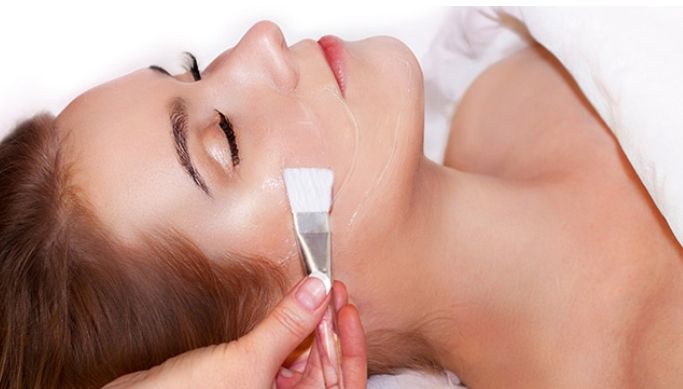
Facial skin can sometimes appear rough, uneven, or less refined because of visible dryness, clogged pores, and an accumulation of dull surface cells. For people seeking a more polished complexion, Glycolic Acid Peel in Dubai may be considered as part of a skincare approach focused on improving the appearance and texture of facial skin. Glycolic acid is commonly associated with exfoliating care and is often discussed in relation to smoother-looking skin. Its appeal comes from its ability to support a more refined skin surface while addressing several common texture concerns without making the goal solely about dramatic changes.
How Does Glycolic Acid Peel Relate to Skin Smoothness?
Skin smoothness is influenced by how even and refined the outer surface appears. When dead surface cells accumulate, the complexion may look dull or feel less soft to the touch. Glycolic acid peels are commonly associated with exfoliating support, which can help create a cleaner-looking surface and a more uniform appearance.
The treatment is often considered by individuals who notice mild roughness, uneven texture, or a lack of natural-looking radiance. Rather than focusing on one isolated concern, glycolic acid can be part of broader facial care aimed at maintaining a smoother and more refreshed appearance.
What Facial Texture Concerns May Be Associated With Glycolic Acid Peel?
A glycolic acid peel may be considered when the facial surface shows common texture-related concerns. These may include:
- Rough or uneven-feeling skin
- A dull-looking complexion
- Mild surface buildup
- Uneven-looking texture around the cheeks or forehead
- Visible dryness that affects the appearance of smoothness
These concerns can occur for many everyday reasons, including environmental exposure, changing skincare habits, dryness, and natural skin renewal patterns.
Can Glycolic Acid Peel Support a More Refined-Looking Complexion?
A refined complexion is usually associated with skin that appears even, soft, and well-maintained. Glycolic acid peel care may complement this appearance by addressing surface dullness and uneven texture. This makes it a consideration for people who want facial skin to look more polished without making smoothness the only skincare objective.
Texture can also affect how makeup, moisturizers, and other cosmetic products appear on the face. When the surface looks more even, products may appear more consistent across different areas. However, individual skin characteristics remain important when considering whether glycolic acid is appropriate.
What Makes Facial Smoothness an Important Skincare Goal?
Smooth-looking skin is often connected with a healthy and cared-for appearance. It can also make facial features look more balanced because noticeable rough patches or uneven surface areas may become less distracting.
- Hydration levels and general dryness
- Exposure to weather and environmental conditions
- Existing skincare habits
- Naturally occurring skin texture
- The presence of visible surface buildup
Is Glycolic Acid Peel Suitable for Every Skin Texture?
Not every facial skin type responds in exactly the same way to exfoliating ingredients. Some people may have skin that is more sensitive, reactive, or prone to dryness, while others may tolerate exfoliating skincare more comfortably. Existing concerns such as irritation, redness, or compromised skin should also be taken into consideration.
A suitable skincare choice depends on the individual's overall skin condition and personal goals. Glycolic acid peel products can vary in concentration and formulation, so general assumptions should not be applied to everyone. Professional guidance can be helpful when someone is uncertain about whether an exfoliating treatment fits their skin needs.
Can Glycolic Acid Peel Complement a Regular Skincare Routine?
Glycolic acid peel care can be viewed as one part of a broader approach to maintaining facial skin. Basic skincare habits remain relevant because smooth-looking skin is not linked to a single ingredient or treatment alone. Cleansing, moisturizing, sun protection, and selecting products appropriate for one's skin type can all contribute to maintaining the appearance of the facial surface.
People interested in glycolic acid may also consider how their existing skincare products interact with exfoliating ingredients. Using several strong active products at the same time may not be appropriate for every skin type, making a balanced approach important.
Why Should Skin Texture Be Viewed Holistically?
Facial smoothness is only one aspect of overall skin appearance. Someone may be concerned about dryness, uneven tone, visible pores, sensitivity, or occasional blemishes alongside rough texture. Looking at these concerns together can provide a more realistic understanding of facial skincare needs.
Glycolic acid peel care may be relevant when surface texture is a primary concern, but it should not automatically be viewed as a universal solution for every facial issue. Personal skin characteristics, current skincare habits, and sensitivity can all influence whether it is a suitable option.
Final Thoughts
Glycolic acid peel can be a consideration for people interested in improving the appearance of facial skin smoothness and supporting a more refined surface. is commonly associated with exfoliating care and may be relevant to concerns such as dullness, mild roughness, and uneven-looking texture. However, facial skin naturally has variation, and individual needs can differ considerably. It A thoughtful skincare approach focuses on the overall condition of the skin rather than expecting one treatment to address every concern.