
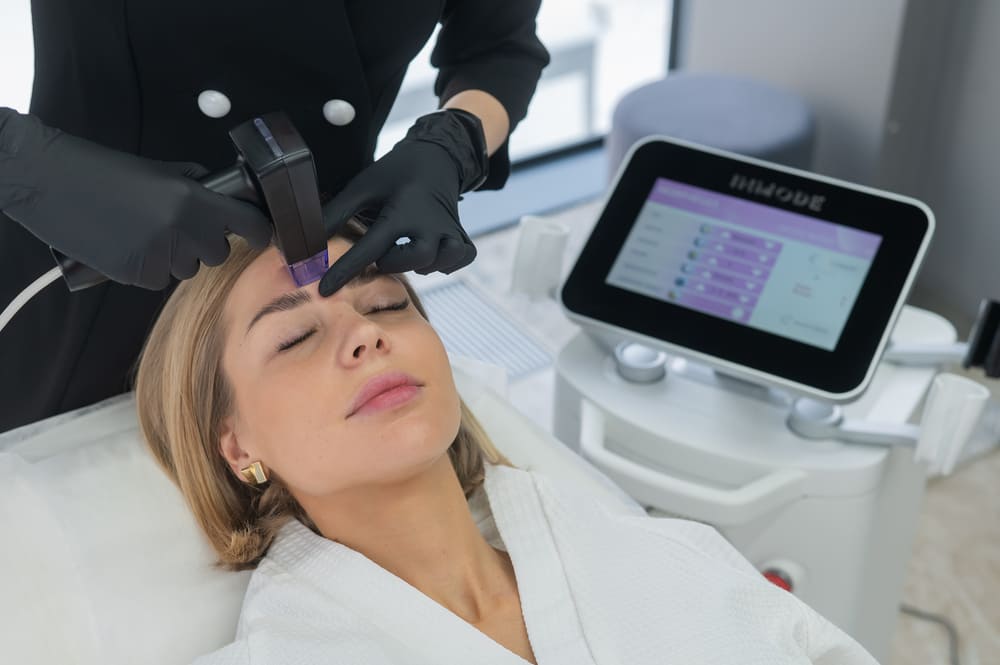
Uneven facial skin texture can make the complexion appear rough, bumpy, or less smooth, particularly when enlarged pores, acne marks, fine lines, or irregular skin surfaces are present. Many people explore advanced aesthetic options to support a more refined-looking complexion, and Morpheus8 in Dubai is often considered for concerns involving skin texture and overall facial appearance. Its combination of microneedling and radiofrequency technology makes it a popular option for individuals seeking a more polished skin surface. Understanding its potential benefits can help determine whether it aligns with specific texture-related concerns.
What Causes Uneven Facial Skin Texture?
Facial texture can become irregular for several different reasons. Some individuals naturally have more visible pores or uneven skin surfaces, while others develop textural changes over time.
- Enlarged or prominent pores
- Acne-related marks and shallow textural irregularities
- Fine lines and wrinkles
- Rough or uneven areas of skin
- Changes associated with natural aging
Because several concerns can exist simultaneously, understanding the primary texture issue is important when considering an aesthetic treatment.
Can It Help With Rough-Looking Skin?
Roughness may develop when the skin surface appears inconsistent or lacks visual smoothness. Morpheus8 may be considered by people who want to address this type of textural concern while maintaining a natural-looking facial appearance.
Rather than being limited to pigmentation or surface discoloration, its application is associated with concerns involving skin quality and texture. This makes it relevant for individuals whose primary concern is how smooth and refined their complexion appears.
Is Morpheus8 Suitable for Visible Pores?
Visible pores are another common contributor to uneven facial texture. Although pore size can be influenced by genetics, oil production, age, and skin characteristics, their appearance may become more noticeable under certain conditions.
Morpheus8 is frequently considered when enlarged pores occur alongside other textural concerns. Addressing several aspects of skin texture can create a more balanced approach for individuals who feel that prominent pores make their complexion look less refined.
What About Acne-Related Texture?
Acne can leave behind more than temporary blemishes. Once active breakouts have subsided, some people are left with shallow depressions, irregular surfaces, or areas that feel visually different from surrounding skin.
Morpheus8 is often discussed in connection with acne-related textural concerns because its treatment focus extends beyond temporary surface imperfections. However, not every type of acne scarring or irregularity is identical. The suitability of any aesthetic treatment depends on factors such as scar characteristics, skin condition, and the individual's overall goals.
Can It Complement Overall Facial Skin Quality?
Uneven texture rarely exists as an isolated concern. Fine lines, visible pores, rough areas, and changes in skin firmness can appear together, particularly as the skin naturally changes with age.
Morpheus8 may therefore appeal to people who want to focus on broader skin-quality concerns rather than concentrating exclusively on one small imperfection. Its facial applications can be considered when the objective is a smoother, more refined-looking complexion.
Which Skin Concerns May Benefit From Consideration?
Morpheus8 may be relevant for people concerned about several forms of facial texture irregularity. Its potential applications are generally discussed in relation to:
- Uneven or rough-looking skin surfaces
- Enlarged or noticeable pores
- Fine lines associated with facial aging
- Certain acne-related textural irregularities
The suitability of treatment can vary considerably between individuals. Skin type, existing conditions, sensitivity, and the nature of the texture concern all influence whether this option is appropriate.
Why Is Skin Assessment Important?
A proper assessment helps distinguish between different causes of uneven texture. For example, dehydration-related roughness is different from acne scarring, while enlarged pores may require a different approach from prominent fine lines.
Professional evaluation can help identify the specific characteristics of the skin and determine whether Morpheus8 is a reasonable option. It can also help establish realistic expectations and identify situations in which another approach may be more appropriate.
What Should You Consider Before Choosing It?
Anyone considering an aesthetic treatment for uneven texture should look beyond the name of the treatment and consider their individual skin characteristics. Existing irritation, active skin problems, sensitivity, pigmentation tendencies, and previous treatments may all be relevant.
It is also important to distinguish between temporary surface concerns and deeper textural irregularities. A personalized assessment can help clarify which concerns are most suitable for treatment and whether the chosen approach matches the individual's desired level of skin refinement.
Final Thoughts
Morpheus8 can be a relevant option for individuals seeking to address uneven facial skin texture, particularly when concerns such as visible pores, roughness, fine lines, or certain acne-related irregularities are present. Its combination of microneedling and radiofrequency technology gives it a broad role within modern aesthetic skin treatments. However, suitability depends on the individual's skin condition and the specific cause of uneven texture. A professional skin assessment remains important for determining whether Morpheus8 fits the person's needs and aesthetic goals.