
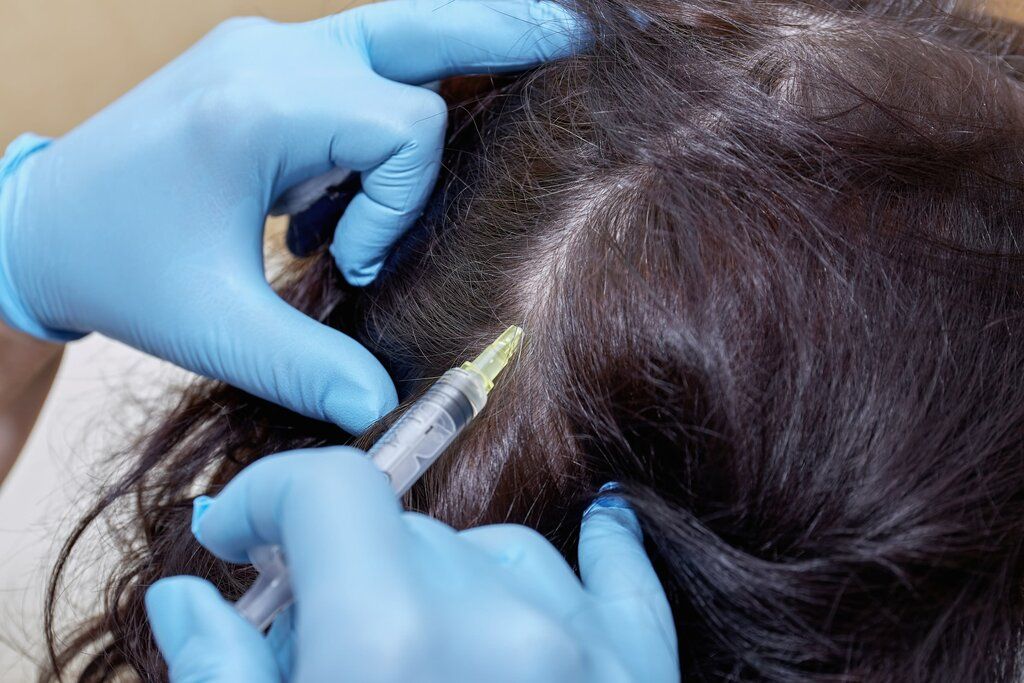
Visible scalp can become a noticeable concern for women when hair appears thinner around the parting, crown, or other areas. While occasional shedding is common, persistent thinning may make the scalp look more prominent and affect how confidently someone styles their hair. Female Hair Transplants in Dubai may be considered by women who want to address areas where reduced hair density makes the scalp easier to see. Understanding the reasons behind female hair thinning, the areas commonly affected, and the factors that may influence suitability can help women make informed decisions about whether this option aligns with their personal hair concerns.
Why Does the Scalp Become More Visible in Women?
A visible scalp does not always mean complete hair loss. In many cases, the issue is related to reduced density, finer strands, changes around the part line, or thinning concentrated in specific areas.
- Wider-looking hair parts
- Thinner coverage around the crown
- Reduced fullness near the temples
- More noticeable scalp beneath fine hair
- Difficulty maintaining the appearance of volume
Can Hair Transplantation Be Relevant for Female Hair Loss?
Hair transplantation can be an option for certain women experiencing localized thinning or reduced coverage. It is generally considered when there are areas where improved hair density may be desirable and suitable donor hair is available.
- The parting has become noticeably wider
- A specific area appears less dense than before
- The crown shows increased scalp visibility
- Hair thinning has created uneven-looking coverage
- Certain areas remain persistently sparse
Which Areas May Show Visible Scalp?
Female scalp visibility can appear in several locations, and the pattern may vary significantly between individuals. The central parting is one of the most commonly noticed areas because even modest changes in density can make the line look broader.
Other areas may include the crown, frontal region, temples, or sections where styling repeatedly places stress on the hair. Some women may also notice increased scalp visibility after years of wearing tight hairstyles.
What Should Women Consider Before Choosing This Option?
Deciding whether a hair transplant is suitable involves more than simply noticing visible scalp. Female hair loss can have several causes, and distinguishing between temporary shedding and established thinning is important.
- The pattern and location of hair thinning
- The strength and availability of donor hair
- The overall condition of the scalp
- Any ongoing factors associated with hair shedding
- Personal expectations regarding hair density
How Can Existing Hair Density Affect Suitability?
Existing hair plays an important role when visible scalp is the main concern. Women who still have substantial hair in the affected region may have different considerations from those with more advanced thinning.
A woman with dark hair and a lighter scalp, for example, may notice contrast more easily than someone whose hair and scalp have a closer natural tone. This does not necessarily indicate a more severe condition. It simply shows that the visual appearance of thinning can differ between individuals.
Can Lifestyle and Hair Habits Influence Visible Scalp?
Daily hair habits may contribute to how noticeable the scalp appears. Repeated tension, aggressive styling, frequent heat exposure, or harsh chemical treatments can affect the overall appearance and condition of the hair.
- Frequently wearing tightly pulled hairstyles
- Excessive brushing or rough handling
- Repeated use of high-heat styling tools
- Chemical treatments used too often
- Neglecting overall scalp and hair care
When Is Professional Assessment Important?
A professional assessment can be particularly relevant when scalp visibility is increasing, thinning appears suddenly, or hair loss is accompanied by other scalp concerns. A detailed evaluation can help distinguish among different patterns of female hair loss and determine whether transplantation is an appropriate consideration.
Women should also seek assessment when thinning continues despite changes in hair-care habits. Understanding the reason behind the change is valuable because different causes may require different forms of management.
Final Thoughts
Visible scalp can be frustrating for women, particularly when thinning changes the way the hair looks around the parting, crown, temples, or other areas. Female hair transplantation may be relevant for selected women with suitable patterns of hair loss and adequate donor hair. However, suitability depends on individual characteristics rather than scalp visibility alone. Understanding the pattern of thinning, existing density, scalp condition, hair habits, and possible contributing factors can help women approach the decision thoughtfully.